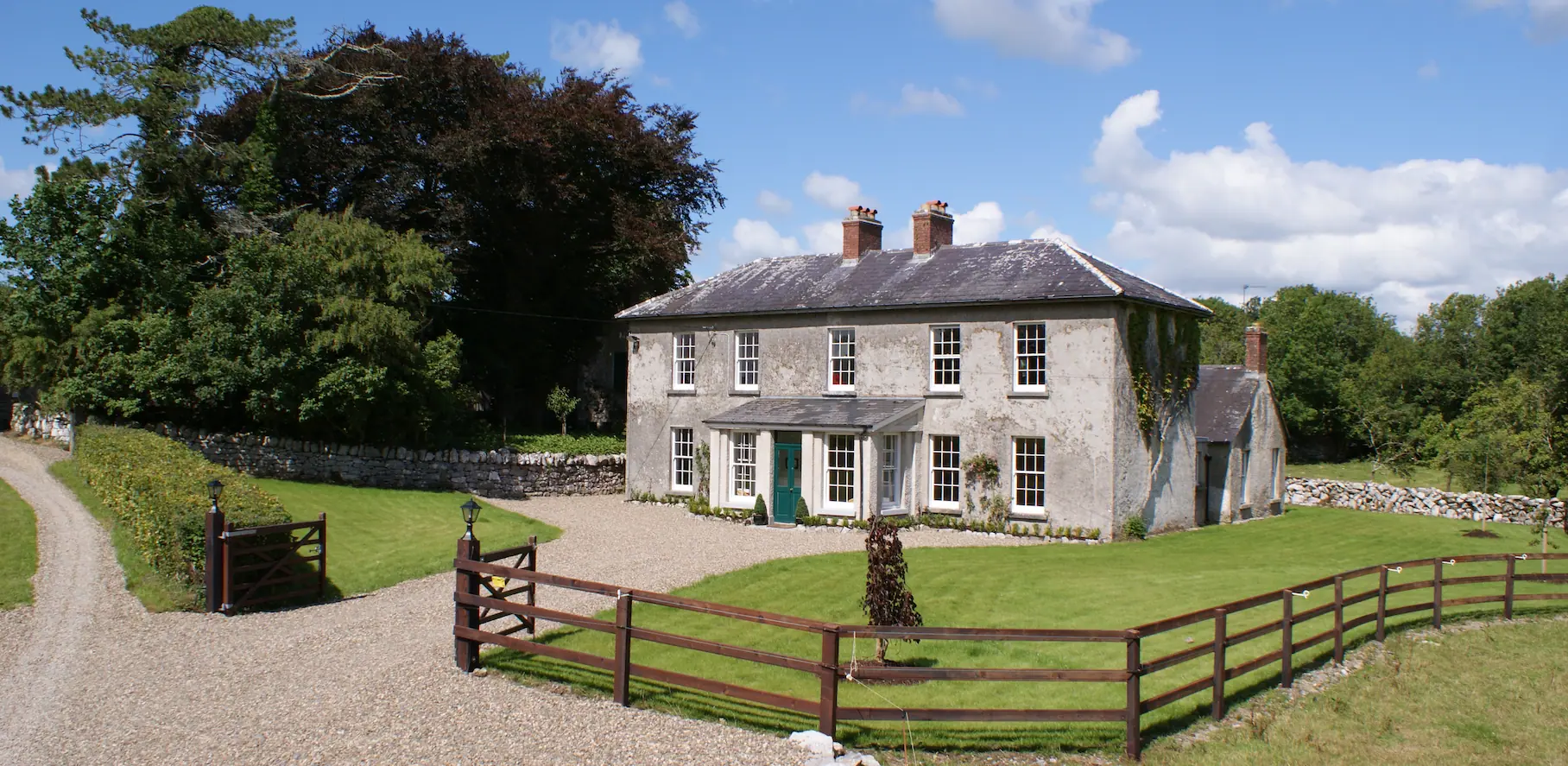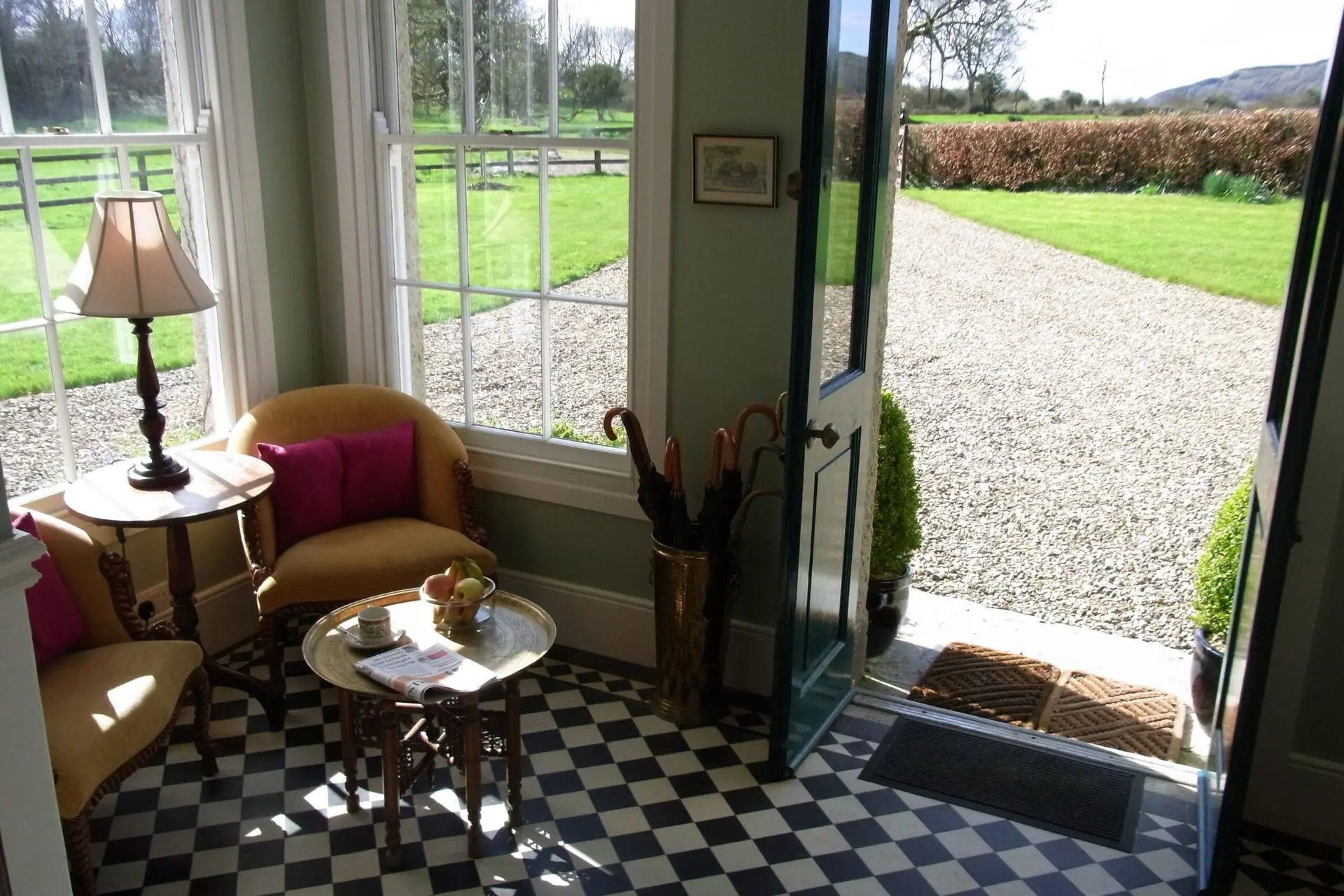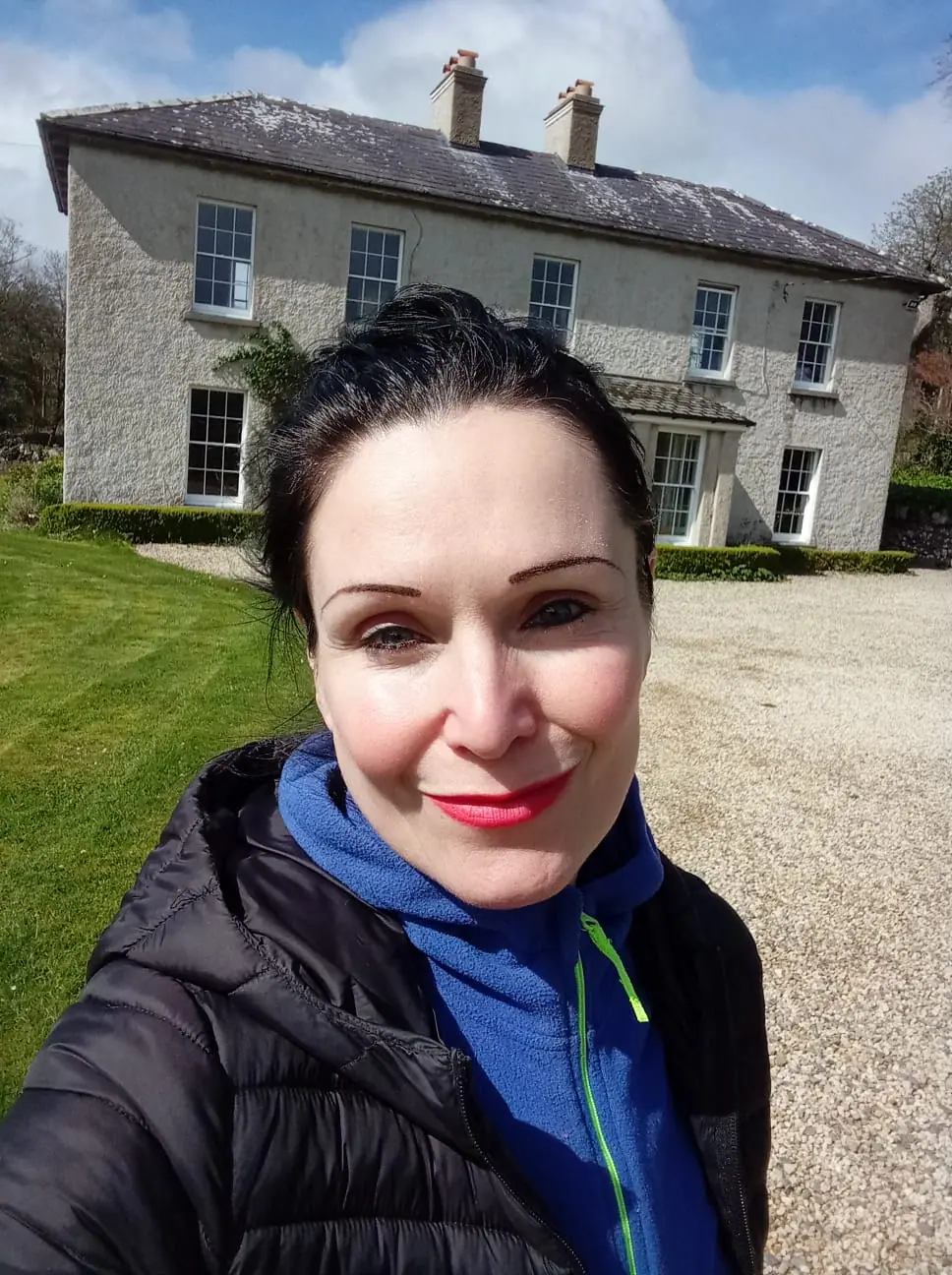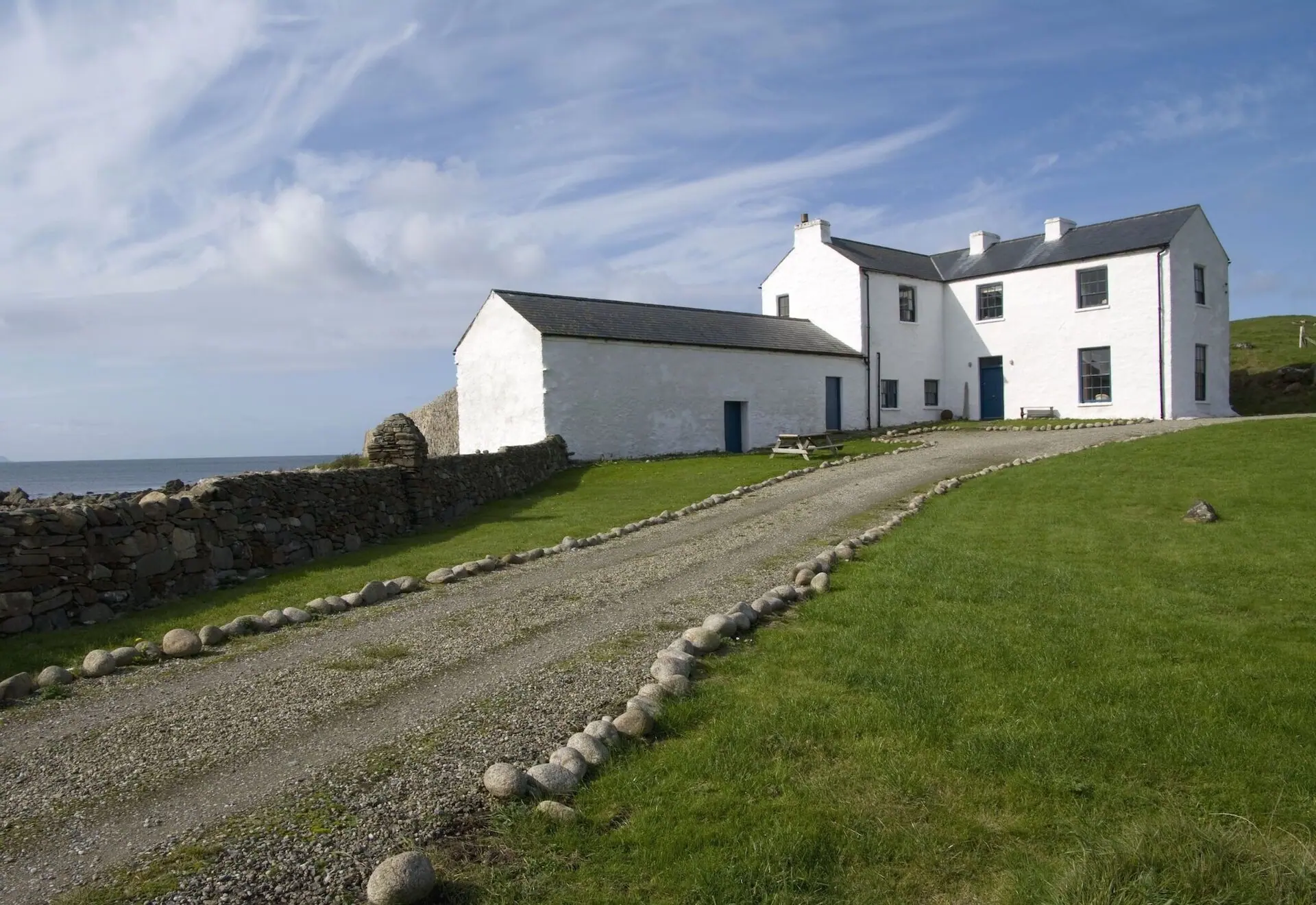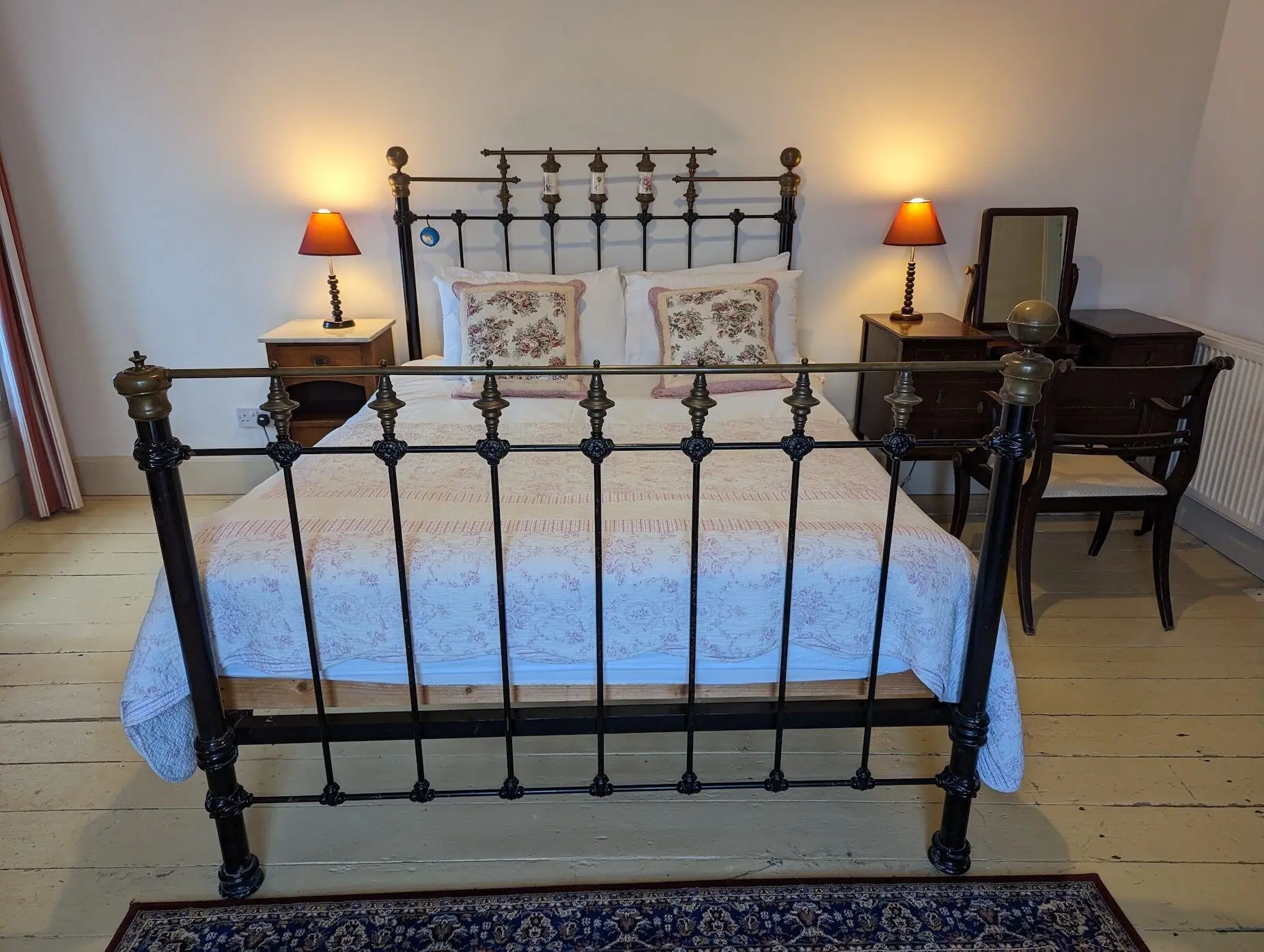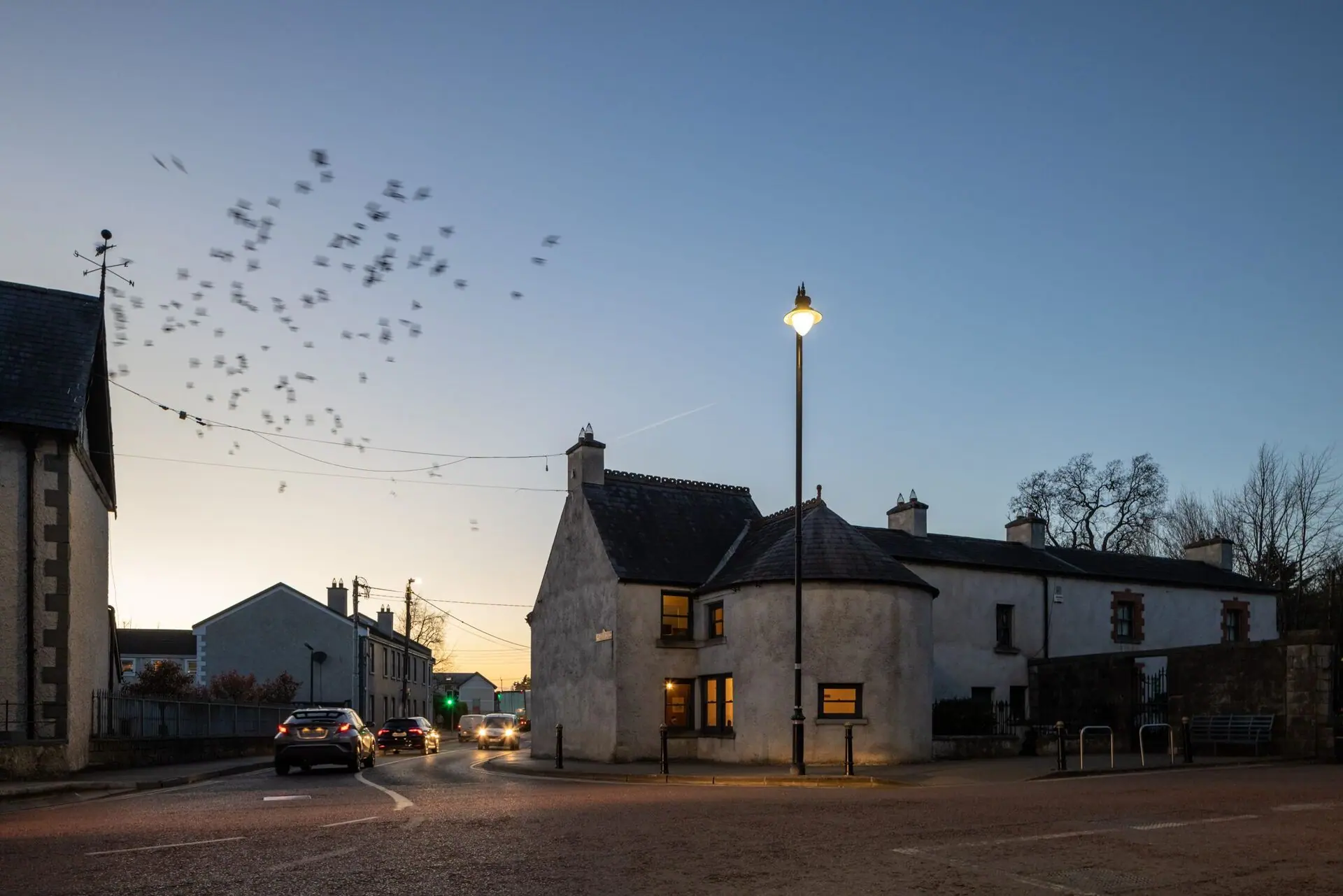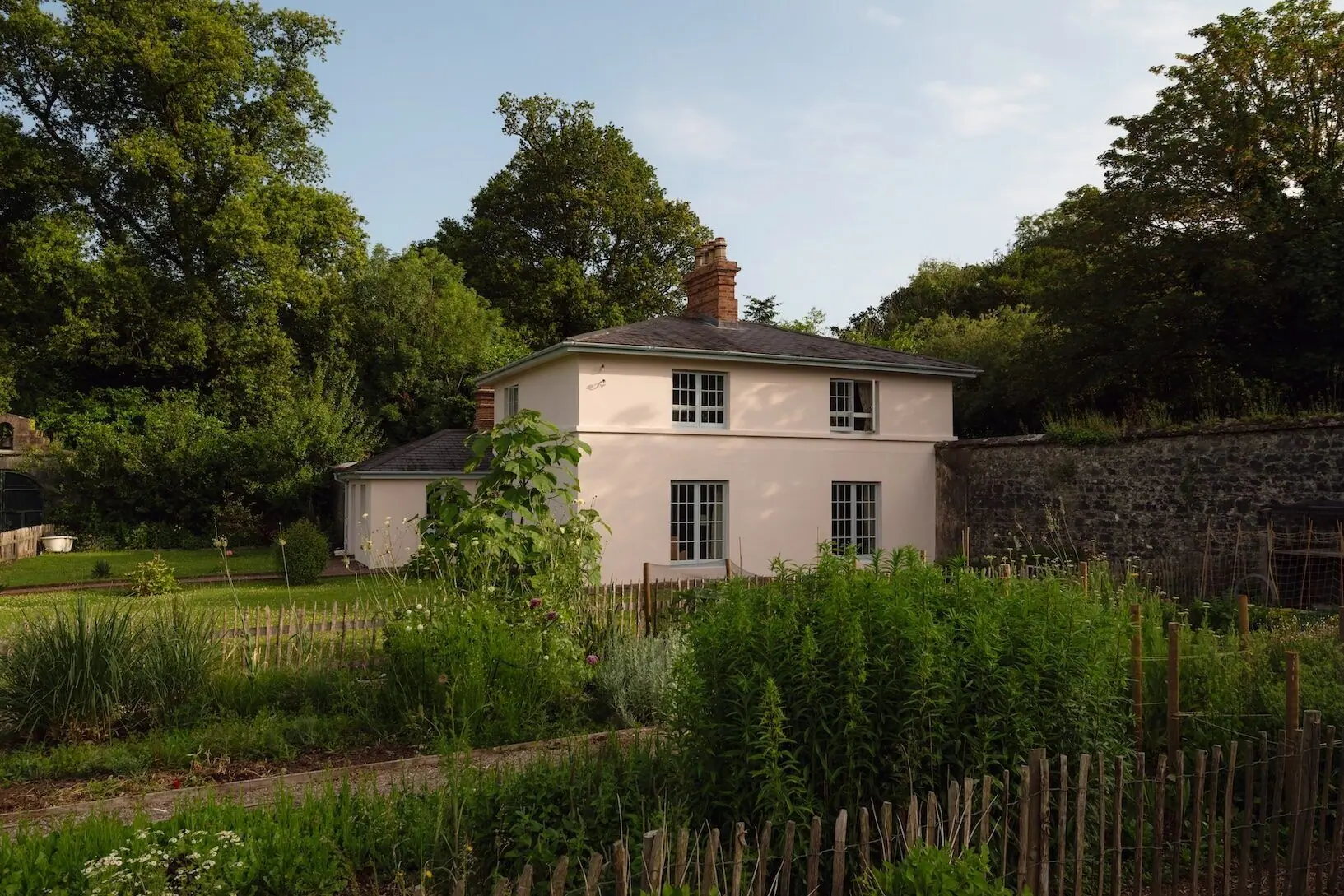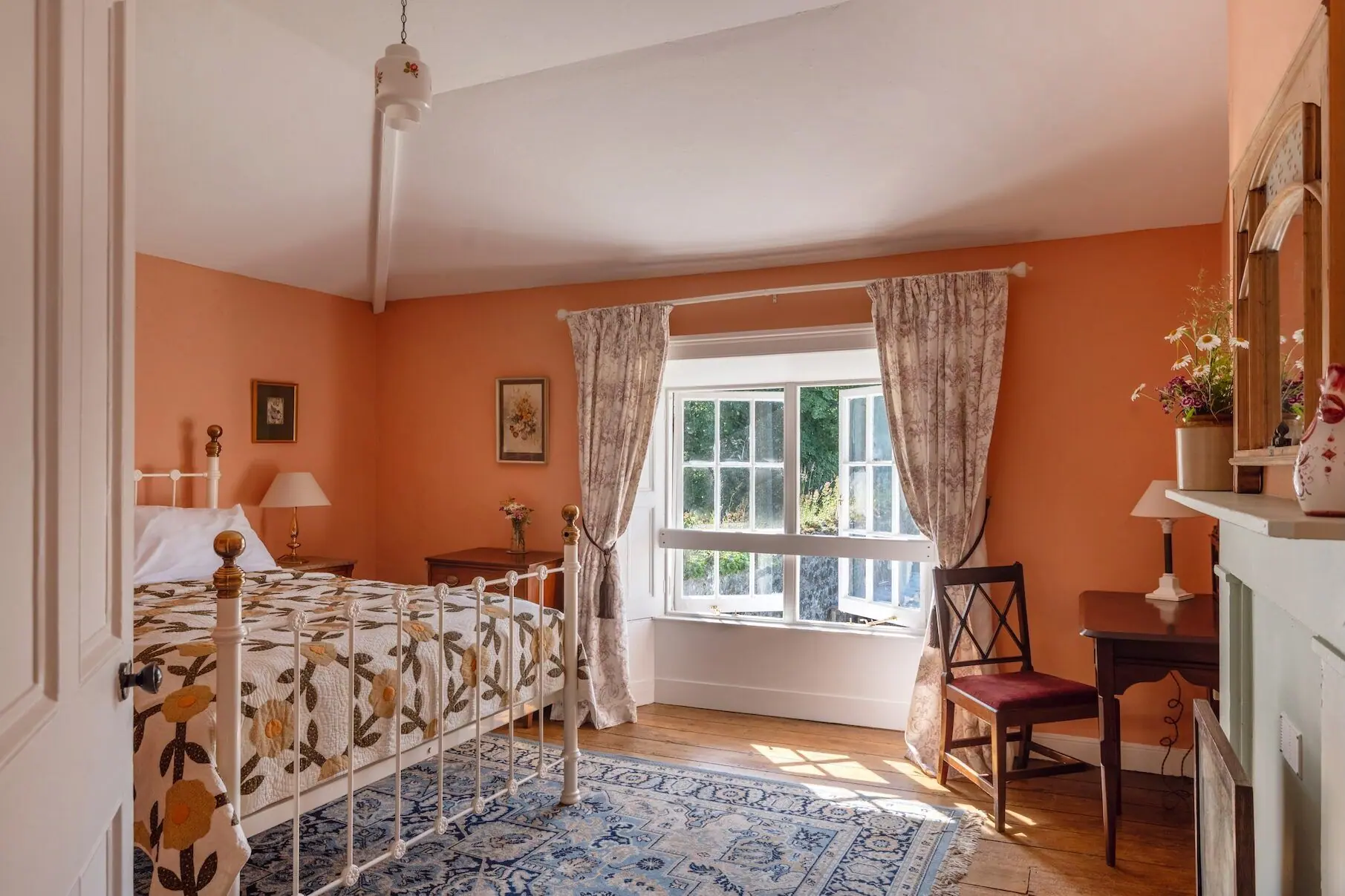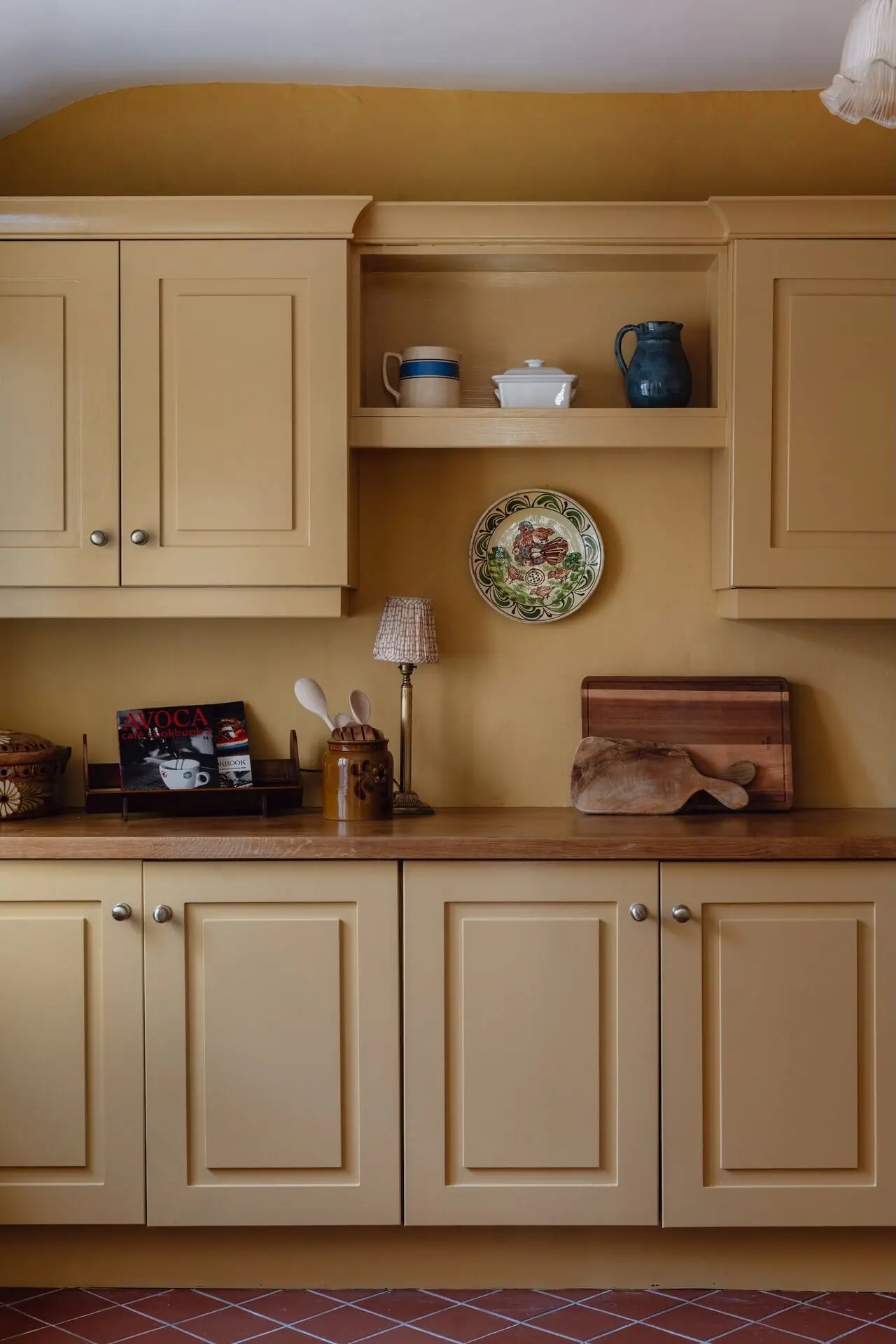
The name Inchiquin comes from an island (Inis in Irish) of the O’Quin family, one of whom was killed at the battle of Clontarf with Brian Boru in 1014. The house itself is thought to have been built around 1800 (some say even earlier), and is marked as ‘Inchiquin Cottage’ in the first edition of the Ordnance Survey map of around 1840. At that stage, the line of out-houses to the north of the house originally turned briefly southwards, but no trace of that remains overground. The two story building on a raised platform overlooking the house was constructed as a granary (with outside stairs on the west wall). The back part of the house, including the present kitchen and back bedrooms is a later addition, the date of which is unknown.
The name of the builder of the original house is not recorded – but the Owens family were among the owners in the middle of the nineteen century, though the links with the famous Chevalier O’Gorman rest on shaky foundations. Subsequently, Cahirs, Bloods, Markahans and McGann – some of which are still resident in the locality – were in possession until the house was bought around 1910 by Col. John Macnamara, who had come from having served as a doctor in the Indian Medical Corps and whose family were doctors in and for Corofin from 1836 to 2006. He himself never lived in the house, renting it out in turn to his brother-in-law, Walter Perman (an Englishman whose car was taken by the IRA during the Civil War and who returned to his native country because he feared for his life was in danger) and Turlough O’Bryen, a famous bee-keeper who cycled around Ireland teaching people about bees, and who kept hives in the field in front of the house.
After the setting up of the State in 1922, the Land Commission set to work to divide up the larger country estates in order to give holdings to poorer farmers. Col. John Macnamara's holding reached down to the lake, but all his land between lake and road were taken away, as was land to the village side of the property in return for Land Bonds which turned out to have little or no value. What was left was about 40 acres of arable land and 65 of scrub and woodland which still belongs to the house, now reachable by an avenue about half a mile long.
When Col. Macnamara died in 1932 he left the house and remaining land to his wife of twelve years, Gertrude Macnamara (neé McDermot) whose father had been a doctor in County Roscommon. She continued to farm (partially with the help of her nephew Desmond McSherry, whose name is fondly remembered in the area) and on her death in 1967, she bequeathed it to her niece (Desmond’s sister) Sheelagh, who had been as good as a daughter to the childless couple. Sheelagh was married to James Austin Harbison, Medical Officor at first of Co Kildare, then for County Dublin and finally for Dublin City. He died a year after Gertrude Macnamara. Sheelagh Harbison owned the house until her death in 2012 at the great age of 98. Austin and Sheelagh’s sons are Dr. John Harbison, formerly the State Pathologist (1974-2002) and Dr. Peter Harbison, archaeologist and art-historian. Peter is now the owner of Inchiquin House and his sons John, Maurice and Ronan have taken responsibility for Inchiquin’s future.