
Irish Landmark Trust is an all-island educational charity working in the heritage and tourism sectors. Our mission is to save, share and sustain Ireland’s unique built heritage. Since 1992, we have been rescuing historic buildings at risk of loss and giving them a sustainable new life as self-catering holiday accommodation.
How We Work
save • share • sustain
Saving, Sharing and Sustaining Ireland’s Built Heritage.
Save.
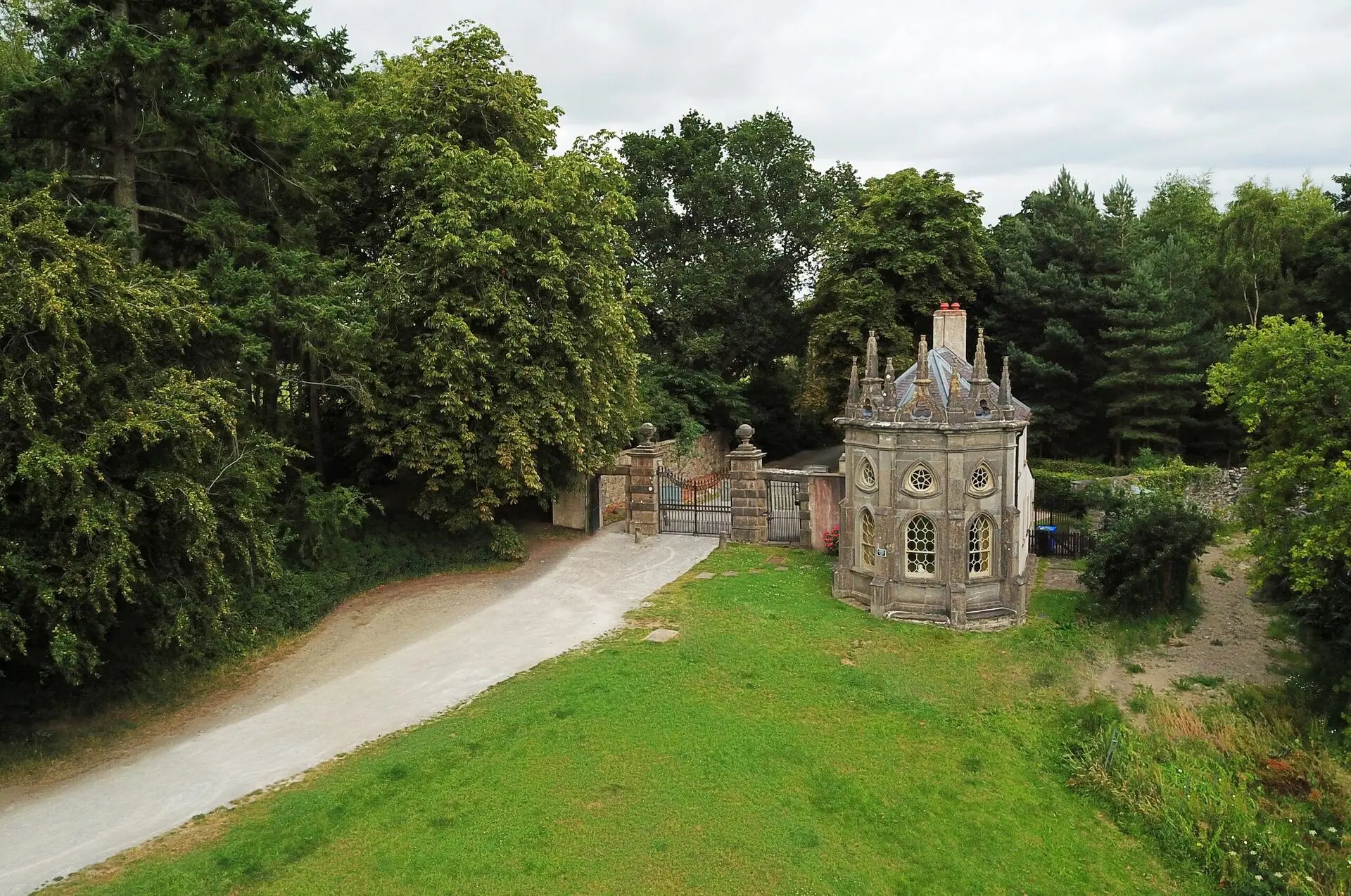
We save by identifying buildings that are at risk of dereliction or destruction because they no longer have a sustainable use. As a heritage charity, we fundraise to do the capital work. We use best practice in conservation architecture to conserve and restore the buildings in our care.
To be considered for inclusion in the Irish Landmark Trust portfolio, a building must go through a rigorous selection process. We do not take buildings into the portfolio that could be used as long-term domestic dwellings.
The selection criteria assess both the risk to the building and the possibility of other uses, including the condition of the building and its ability to survive without intervention from Irish Landmark. If another use, such as a dwelling, museum, or community hub, is preferable, Irish Landmark will not consider the building for inclusion.
We tend to take on unusual buildings not suited to everyday use. They are often too small for other uses but are an acceptable size for a weekend retreat, or sometimes their location makes them unsuitable as a dwelling – for example, small buildings in the curtilage of a historic estate such as Fota House or Castletown Demesne, Annes Grove, and Elizabeth Fort in Cork City.
In many cases, the owners of the buildings have statutory remits that prevent them from acting as landlords to long-term tenants, including Irish Lights, the RSAI, the OPW, local authorities, and the Heritage Trust. The Courts Service, Irish Rail, and Parks & Wildlife are further examples of property owners with buildings that have no sustainable use.
Irish Landmark does not seek to own or buy buildings; instead, we work in partnership with owners to give their small buildings a sustainable future, with the income from letting them ensuring they are self-funding.
Share.
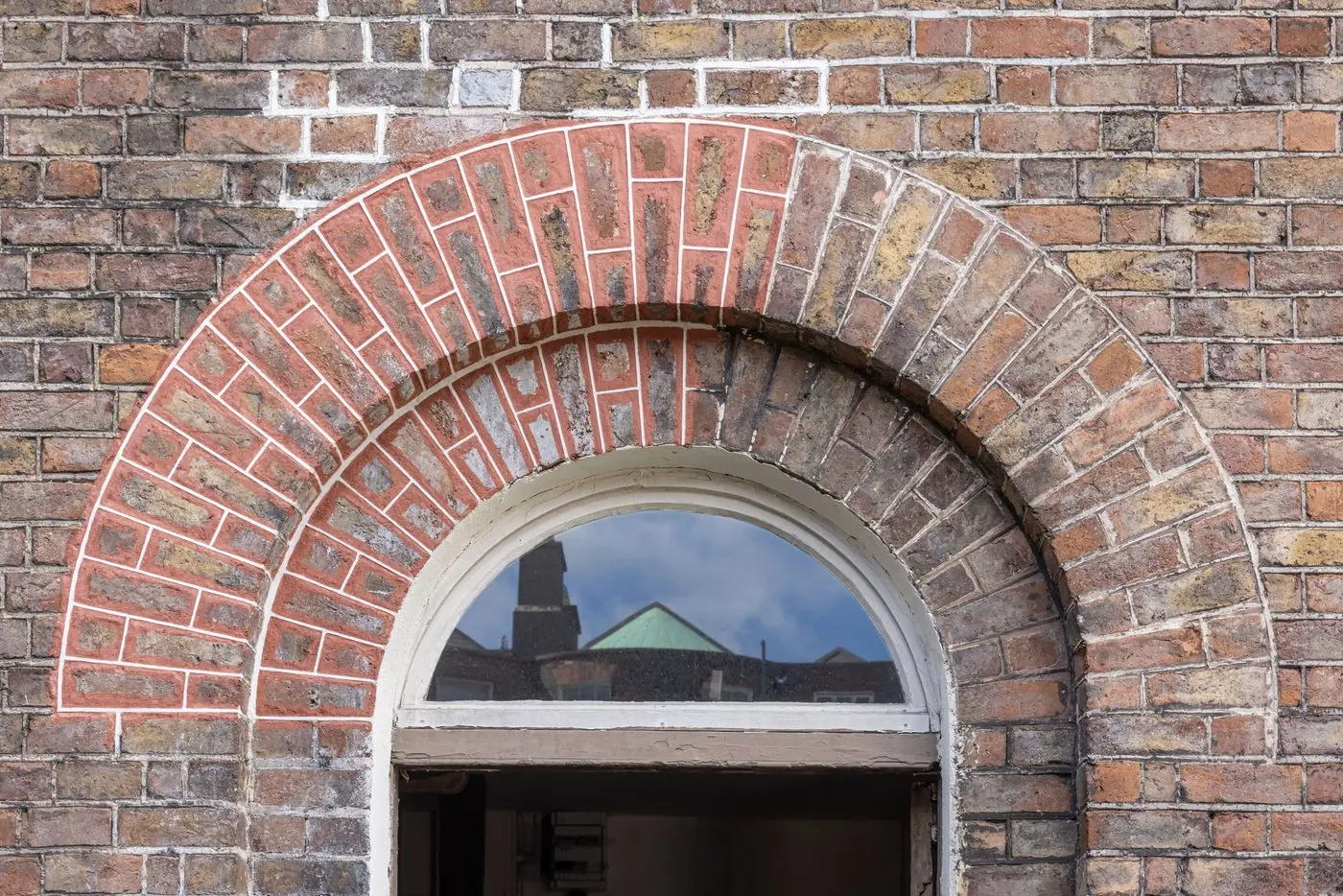
We share our learning from restoring the buildings via our website, newsletters, and the Irish Architectural Archive.
We open our buildings freely to the public during National Heritage Week, European Open Heritage Days, and at any other time that we can accommodate when requested by students, academics, and the public.
We also deliver community-focused activities such as lectures and events when we are fundraising for capital projects. This enables the communities we work in to understand and value the work that we do. Communities feel ownership of the properties and enjoy meeting our guests.
We view every stay with Irish Landmark as an educational experience – a chance to learn about the history of the building you’re staying in, the work required to conserve it, and the lives lived in and around it in times gone by.
Sustain.
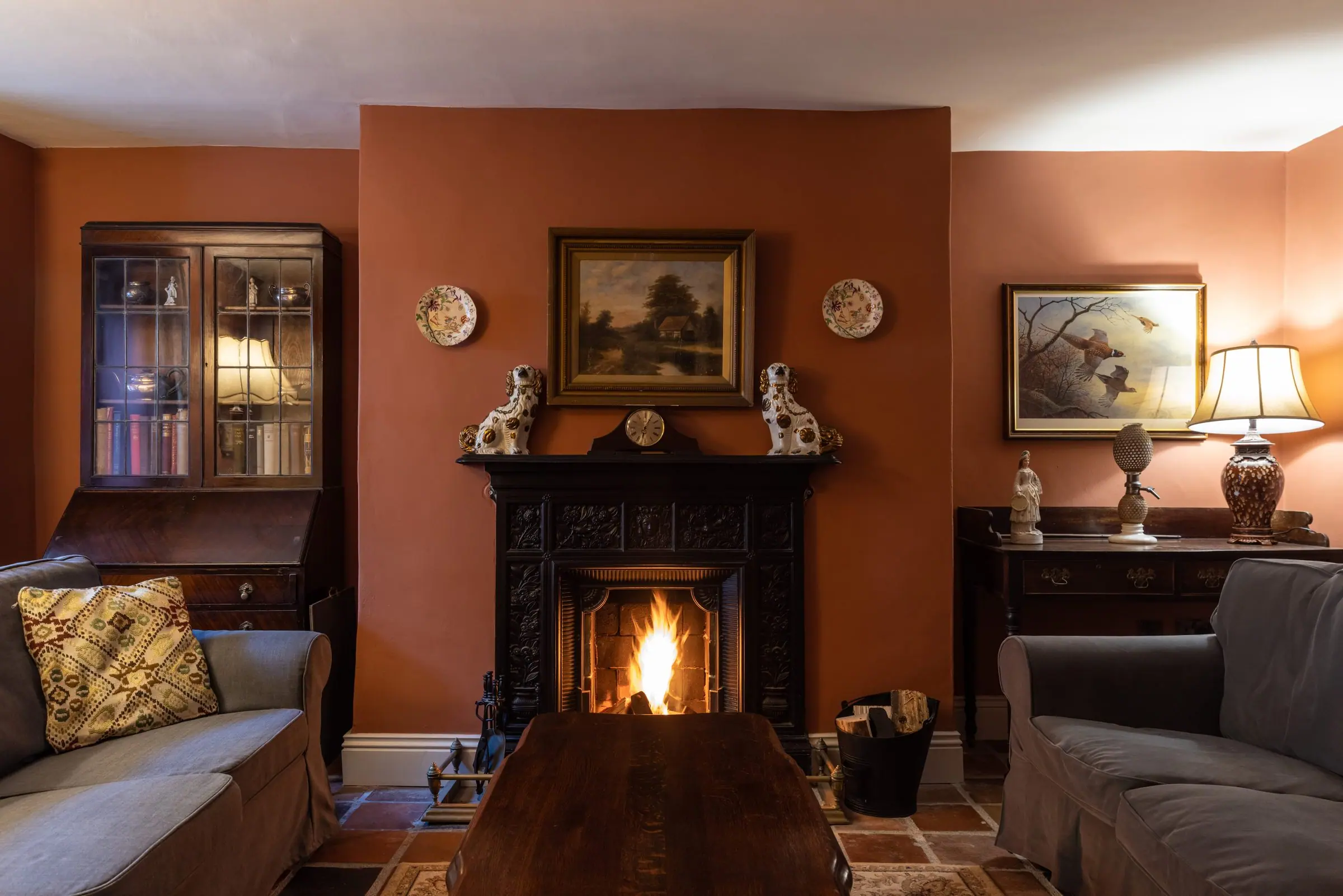
We sustain the buildings by giving them a new use as short-term holiday accommodation. Crucially, it is the income from the holiday rentals that pays for the ongoing maintenance of the building. This means that beyond the initial capital costs to bring the building back into use, there is no further requirement for operational funding – the building becomes self-sustaining.
By saving and restoring buildings using best practice in conservation architecture and giving them a sustainable new life, we create local employment and contribute to the local economies in the communities where we work. Every Irish Landmark property creates its own micro-economy.
We employ a local house manager to meet and greet our guests. They encourage guests to shop and dine locally and make recommendations about what to see and do in the area. The house manager also helps identify local trades and suppliers to keep the property maintained.
Irish Landmark is bringing the economic and community benefits of low-impact tourism to 24 sites across the island of Ireland. We are also part of the regenerative tourism movement, ensuring that our visitor economy delivers a net positive benefit for communities, the environment, and the destination.
Educational Potential.
The Irish Landmark portfolio of buildings are examples of adaptation and reuse of vulnerable heritage buildings. We demonstrate that historic buildings can be maintained and successfully repurposed.
For example, while Goggin Cottage retains a traditional thatch roof and lime-plastered walls, an air-to-water heat pump and underfloor heating has been installed. This demonstrates the successful integration of new, energy-efficient, environmentally sound technology in a traditional vernacular building.
Irish Landmark would like to retrofit more of our properties with this technology. We also have data on energy consumption for every property in the portfolio.
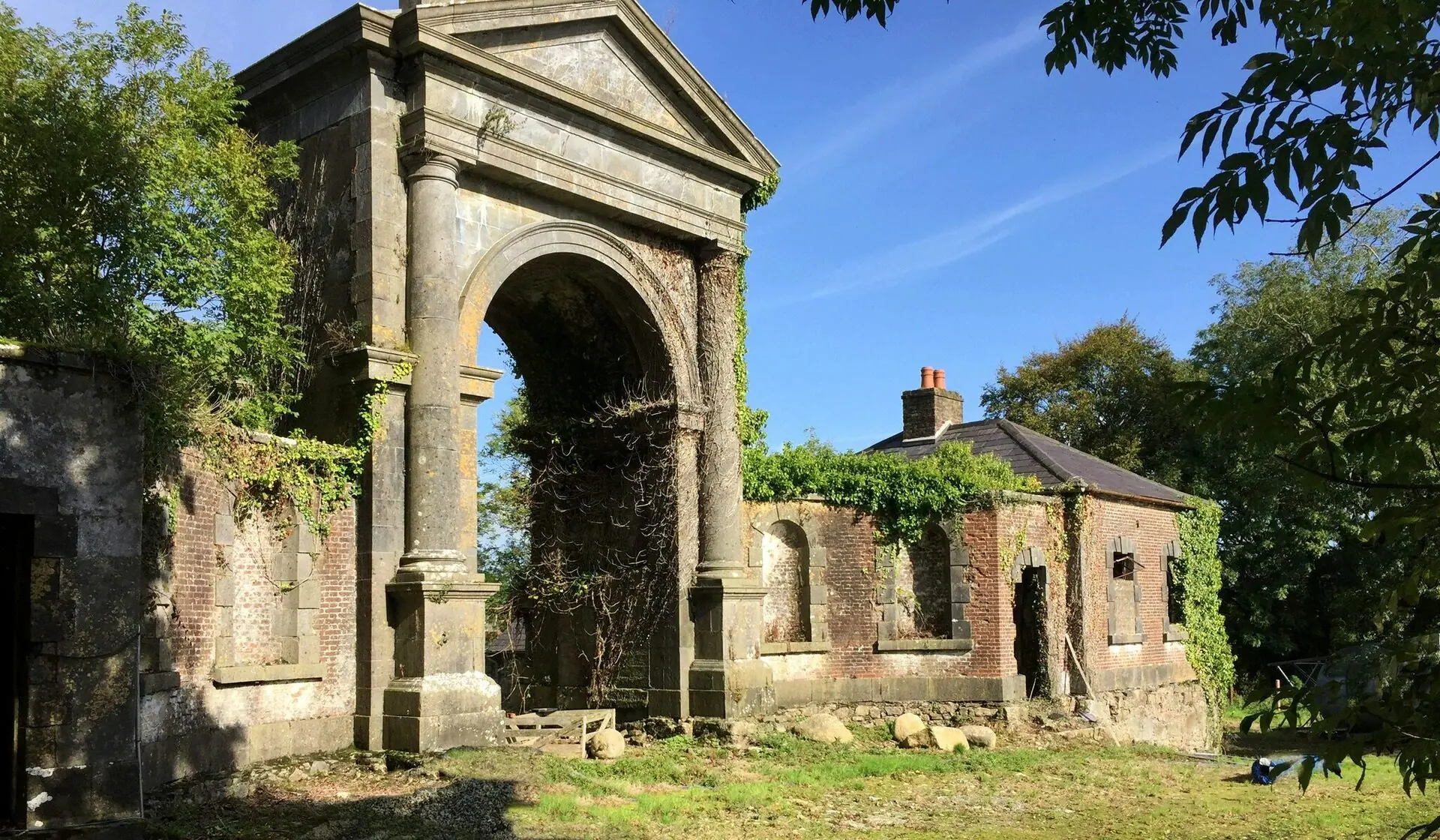
Current project.
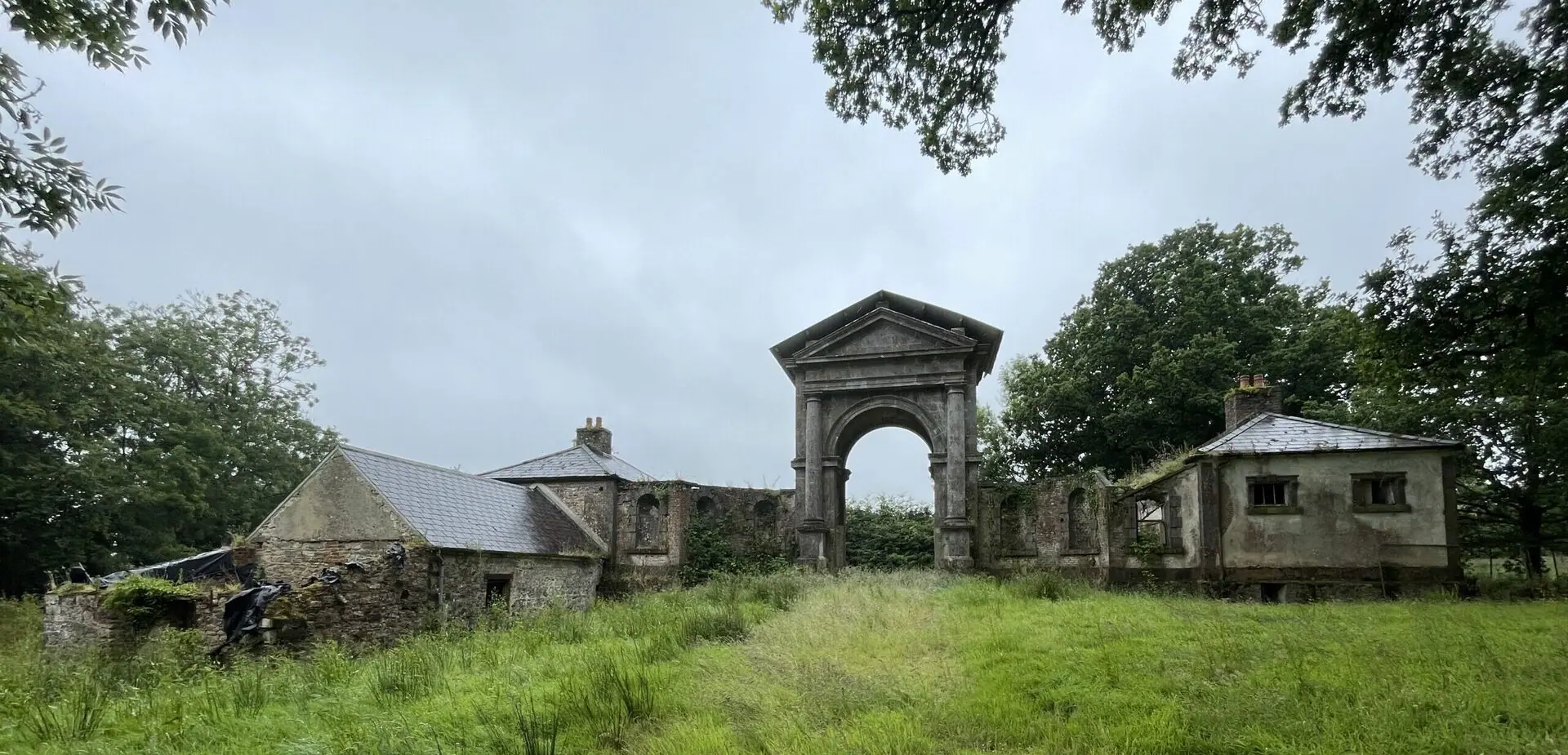
Saunderscourt Gate Lodges, Crossabeg, County Wexford.
Get involved.
Experience Ireland’s heritage firsthand by staying in one of our properties. Help us save, share, and sustain Ireland’s built heritage. Stay up to date with Irish Landmark projects and events.
Landmark Stories, Straight to Your Inbox.
Our monthly newsletter — project updates and availability alerts.
Get a code for 10% off your first booking when you sign up.