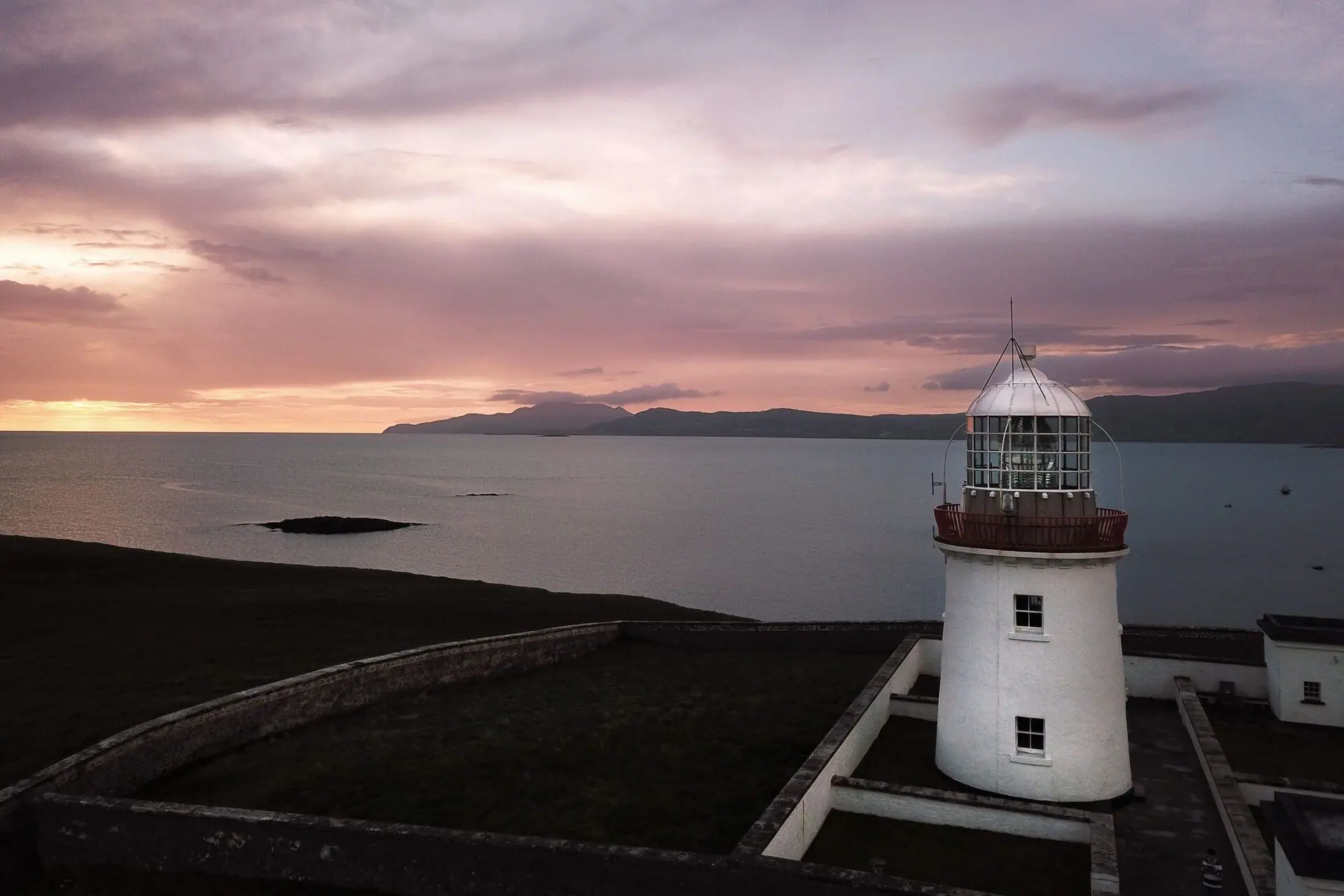
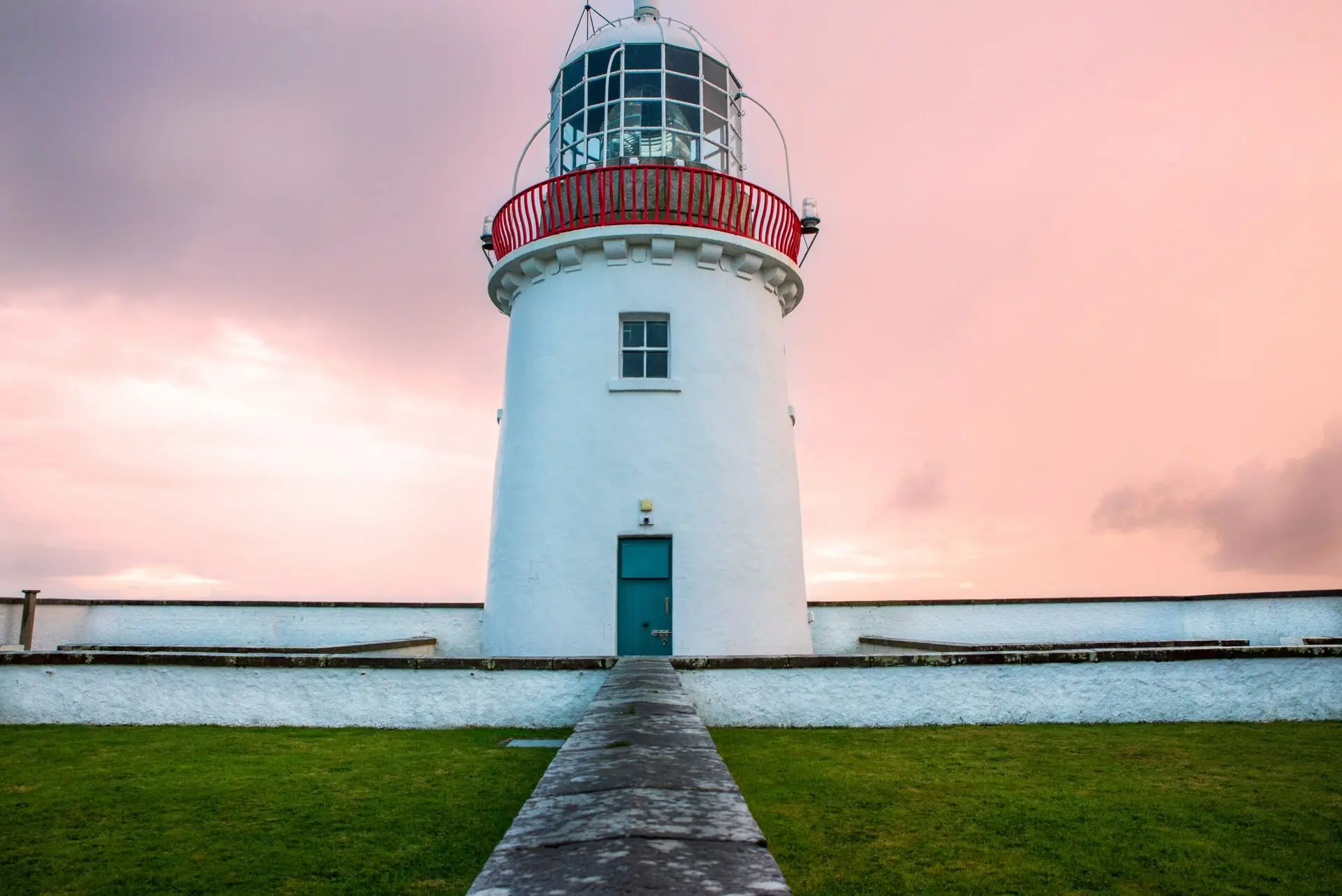
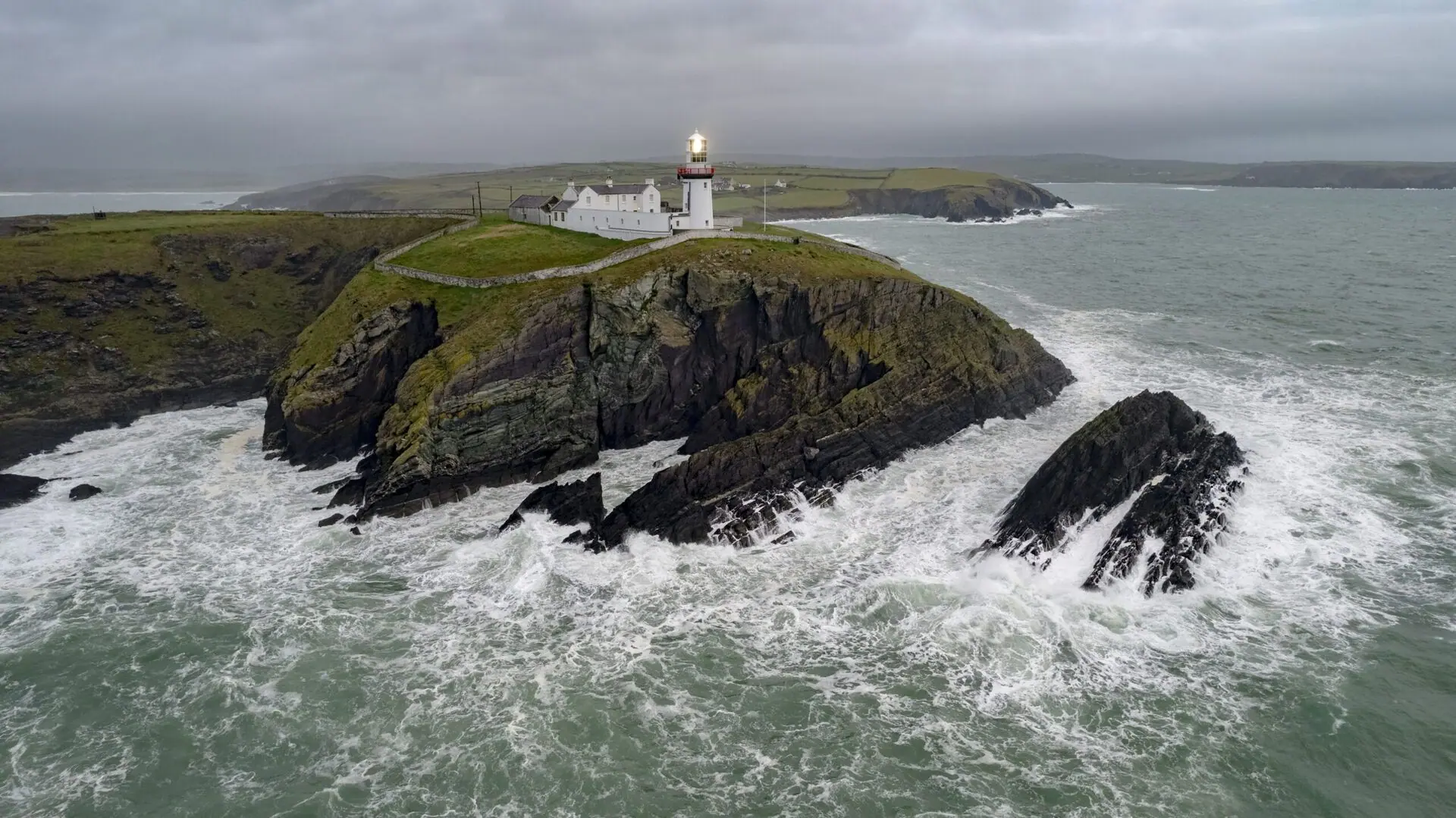
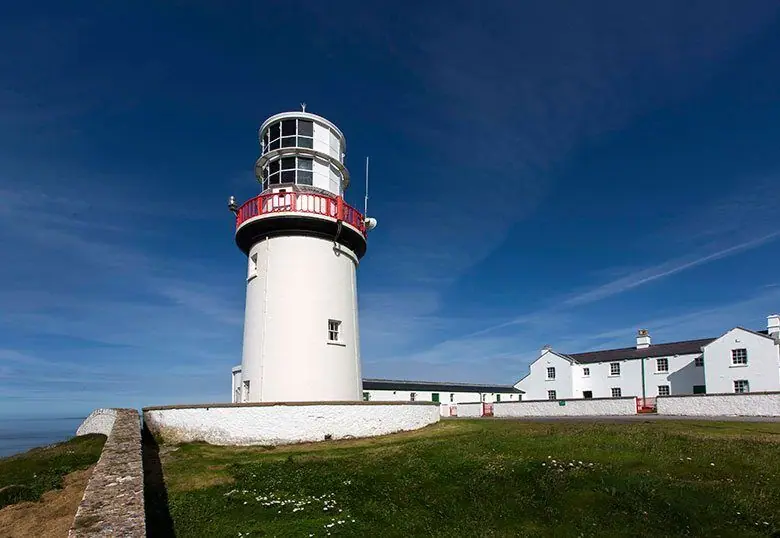
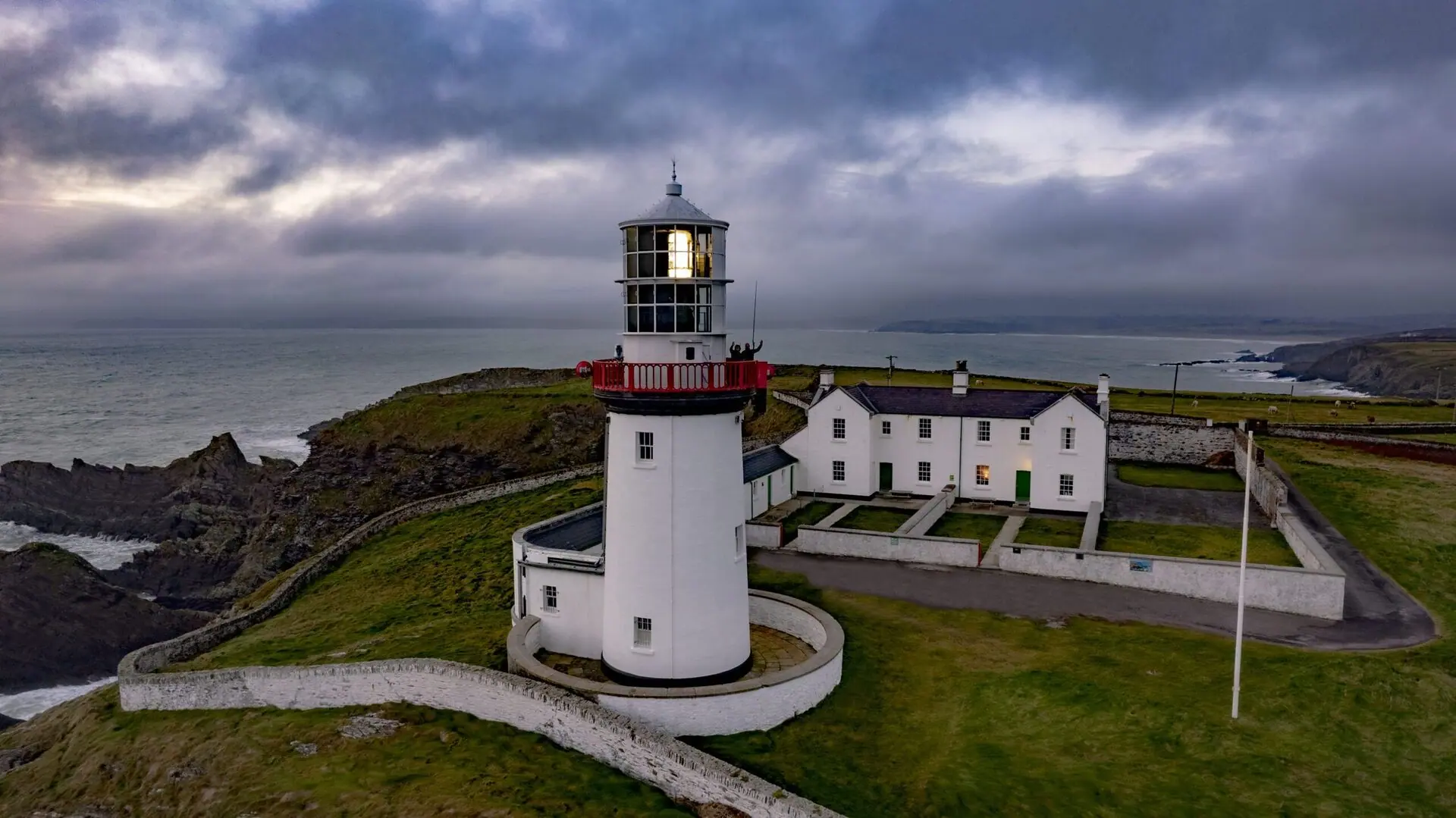
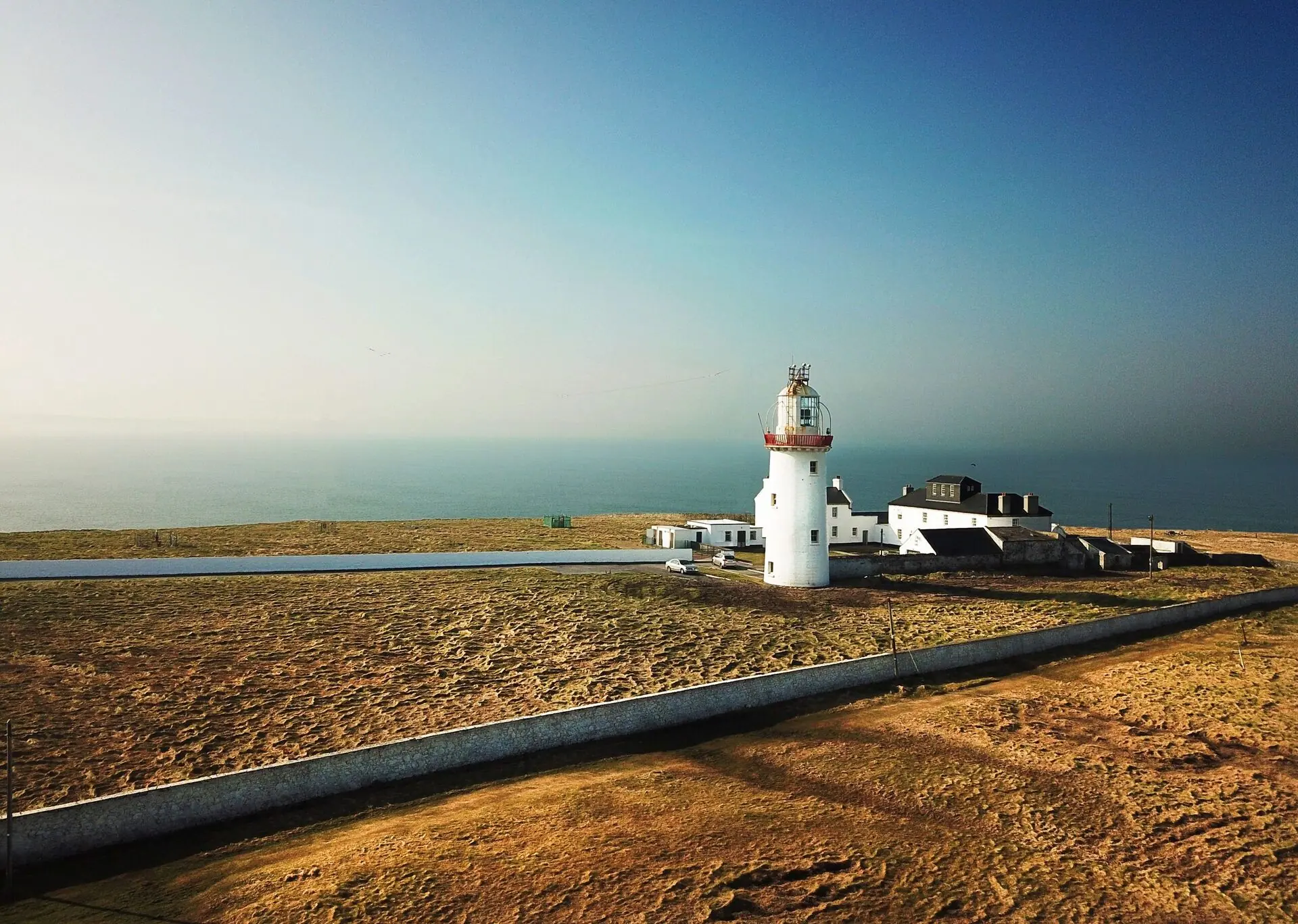
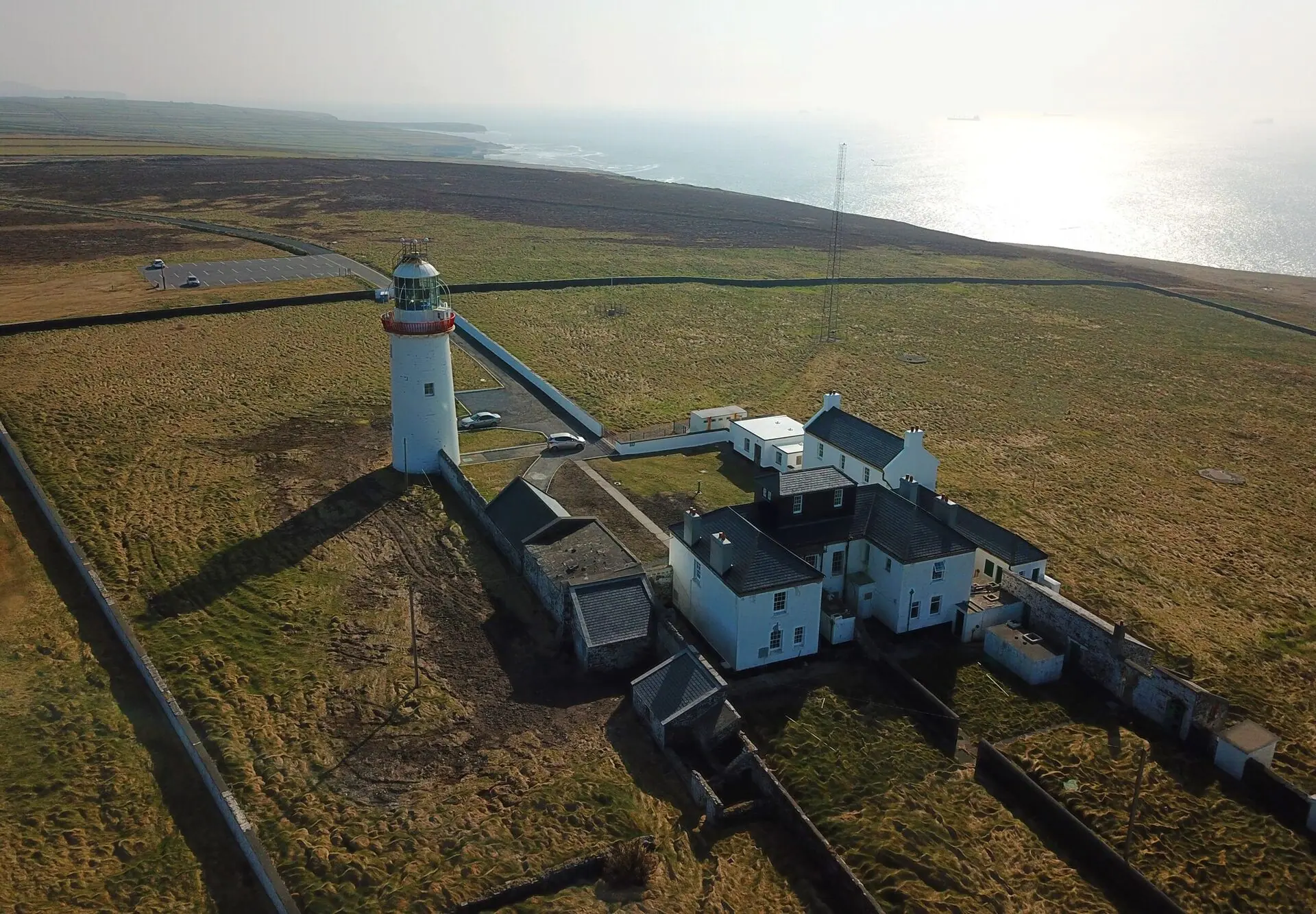
The merchants and traders of Killybegs requested a light on St. John’s Point in 1825. Made of cut granite, the lighthouse’s tower was designed by George Halpin Senior, one of the era’s most lauded civil engineers. The lighthouse came into operation in 1831. The lighthouse was automated in November 1932, and converted to electric operation 30 years later.
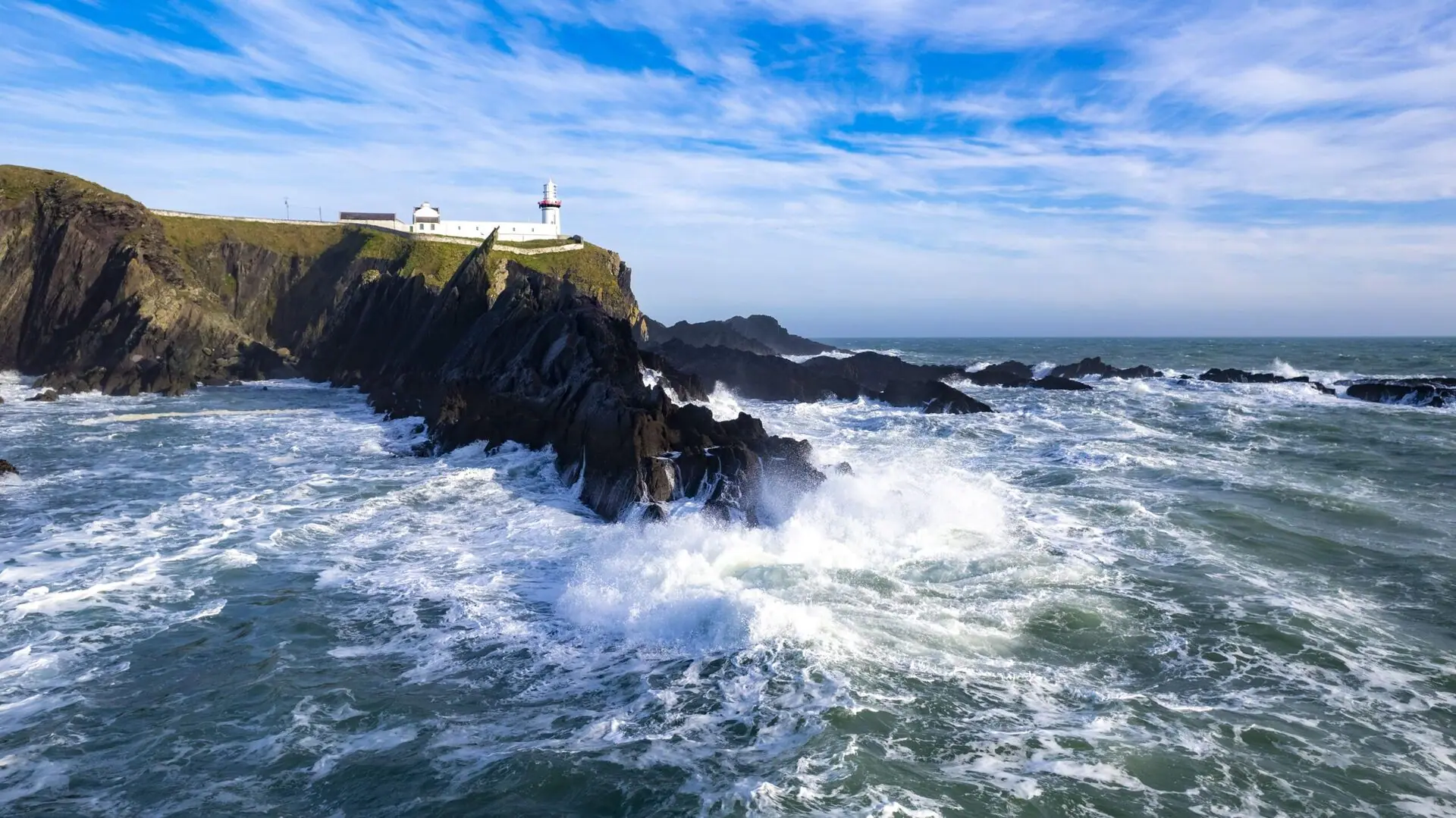
St. John’s Point is a harbour light to guide from Donegal Bay and to mark the north side of the bay leading to Killybegs Harbour from the entrance up to Rotten Island. In 1588 violent storms drove the Spanish Armada off course to the west of Ireland. Up to 24 of its ships were wrecked, including three huge ships which were wrecked on nearby Streedagh Strand. The Commissioners of Irish Lights operate 70 lighthouses around the coast of Ireland, all of which continue to provide a vital role in maritime safety today.
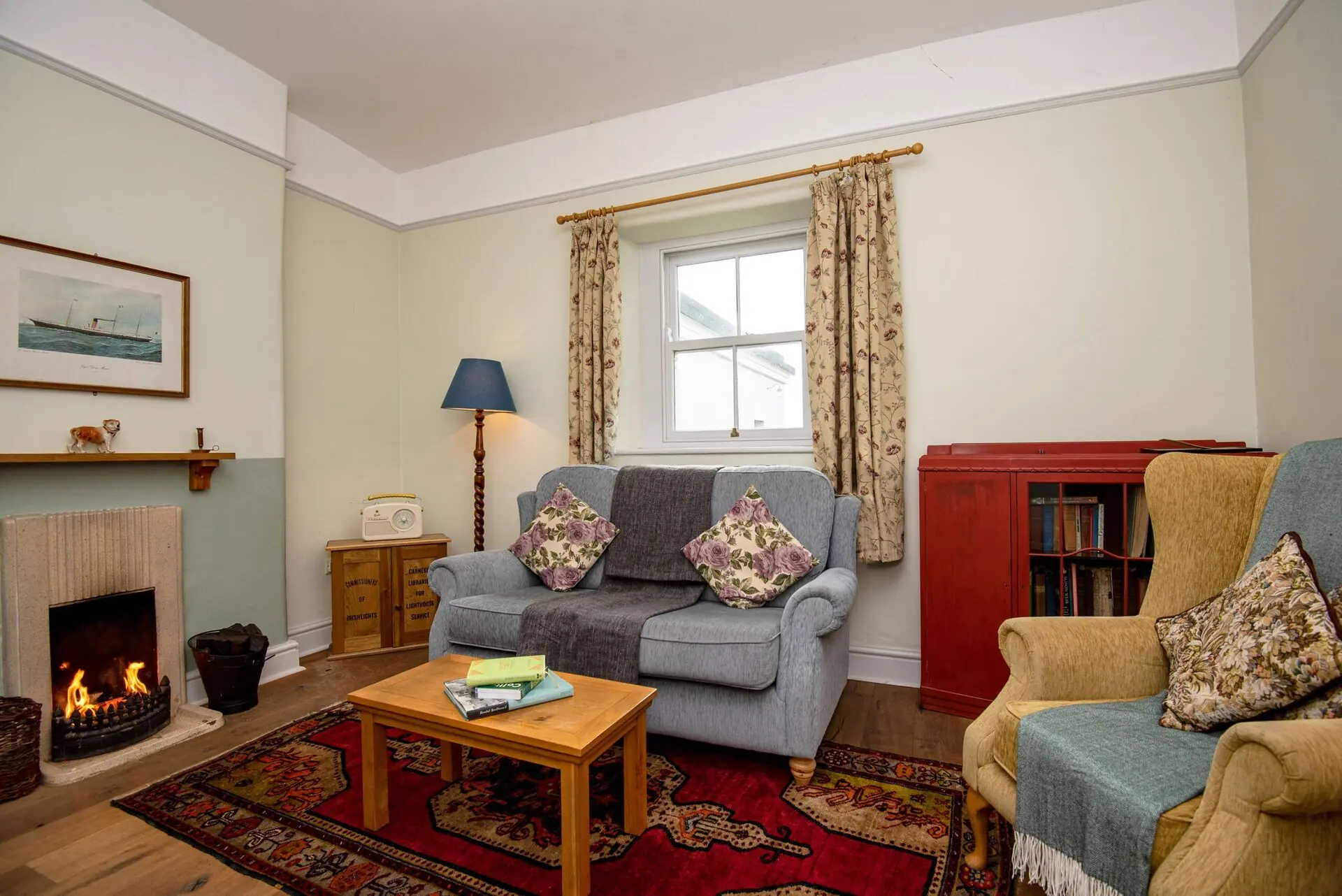
The Carnegie Library Bookcase
In the early years of the 20th century, before the coming of radio and television, the lighthouse and lightship keepers lived relatively lonely lives, serving, in many cases, six-week periods of duty at a time. Consequently, in coastal towns, the Carnegie Libraries granted a special concession to the light keepers by providing each station with a well made oak bookcase which was replenished with a change of books on a regular basis. The public library services of the various county councils eventually took over the function of the Carnegie Libraries but the regular supply of books to the light keepers continued well into the second half of the 20th century. Now that all the lighthouses are automated and no longer manned, the fine oak bookcases that remain in the keepers’ dwellings continue to bear silent witness to the great generosity of Andrew Carnegie, philanthropist extraordinaire.