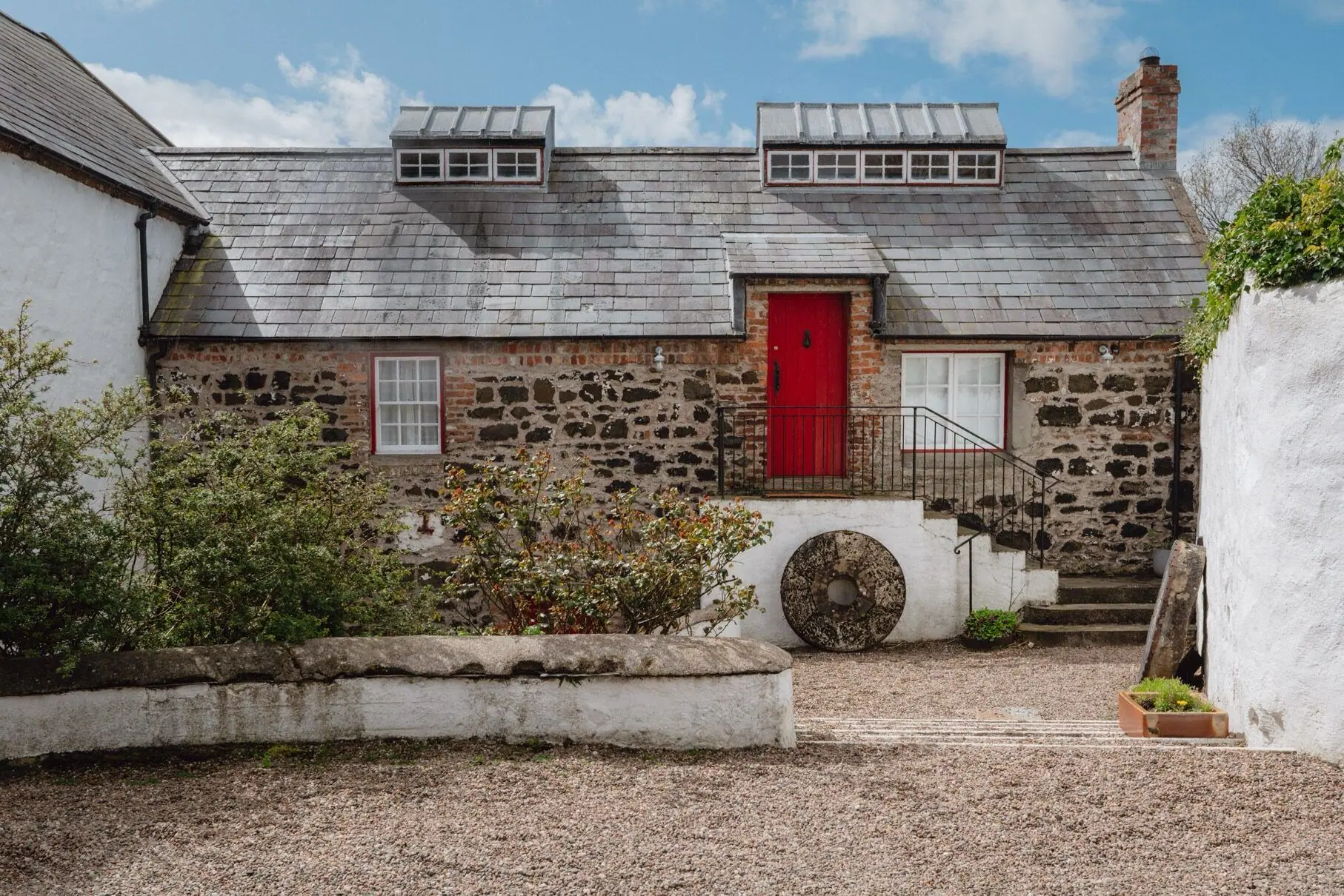
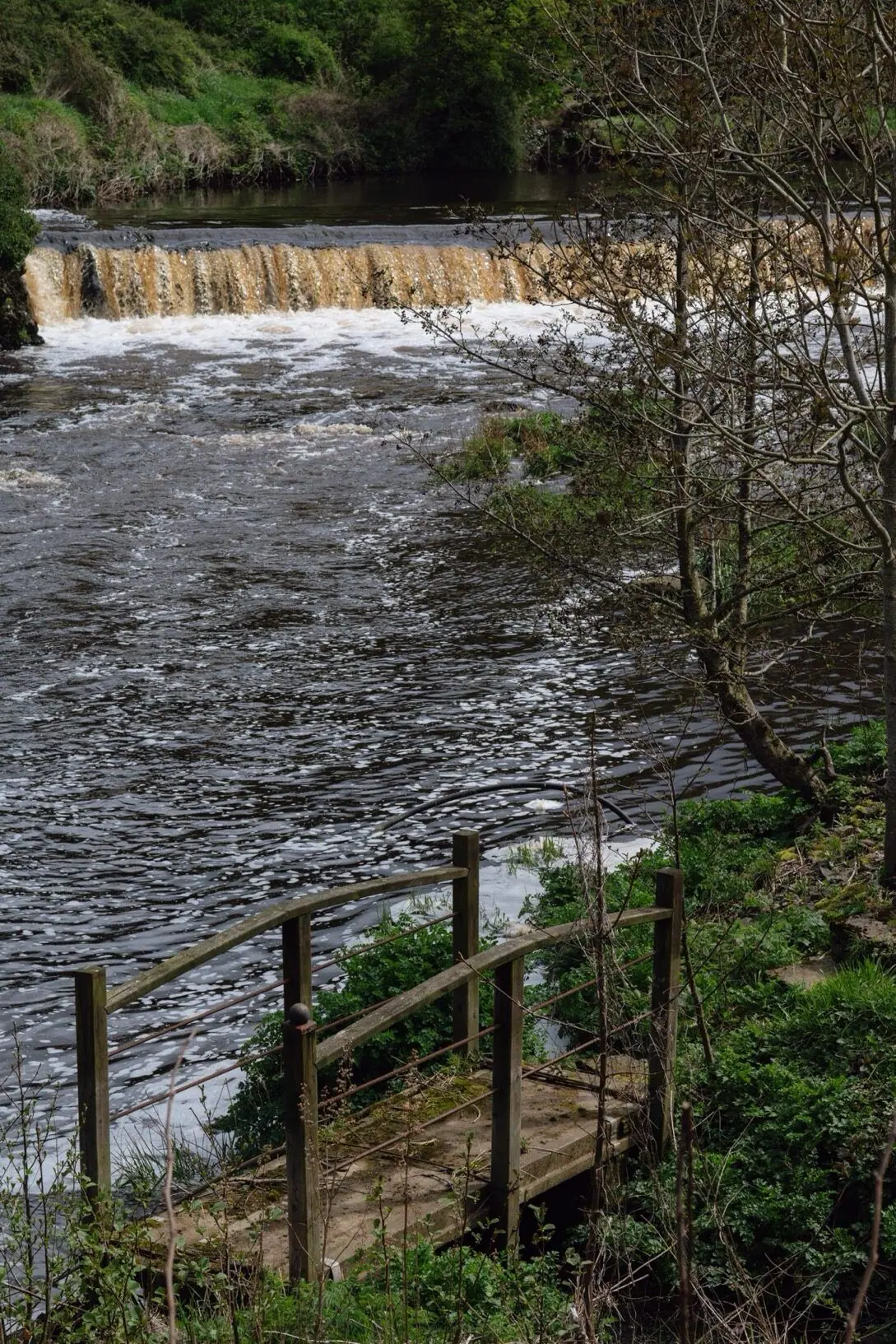
 For almost 400 years the water from the Bush River has been used by the world’s oldest licensed distillery for its distinctive whiskey, Old Bushmills. Until 1949 it also provided the electricity to power the tramway which took generations of tourists along the spectacular Antrim coastline to marvel at the Giant’s Causeway.
But the river has had another important function in the history of the village of Bushmills. It falls some 18 metres in its descent through the village and in the last century provided water power for several mills.
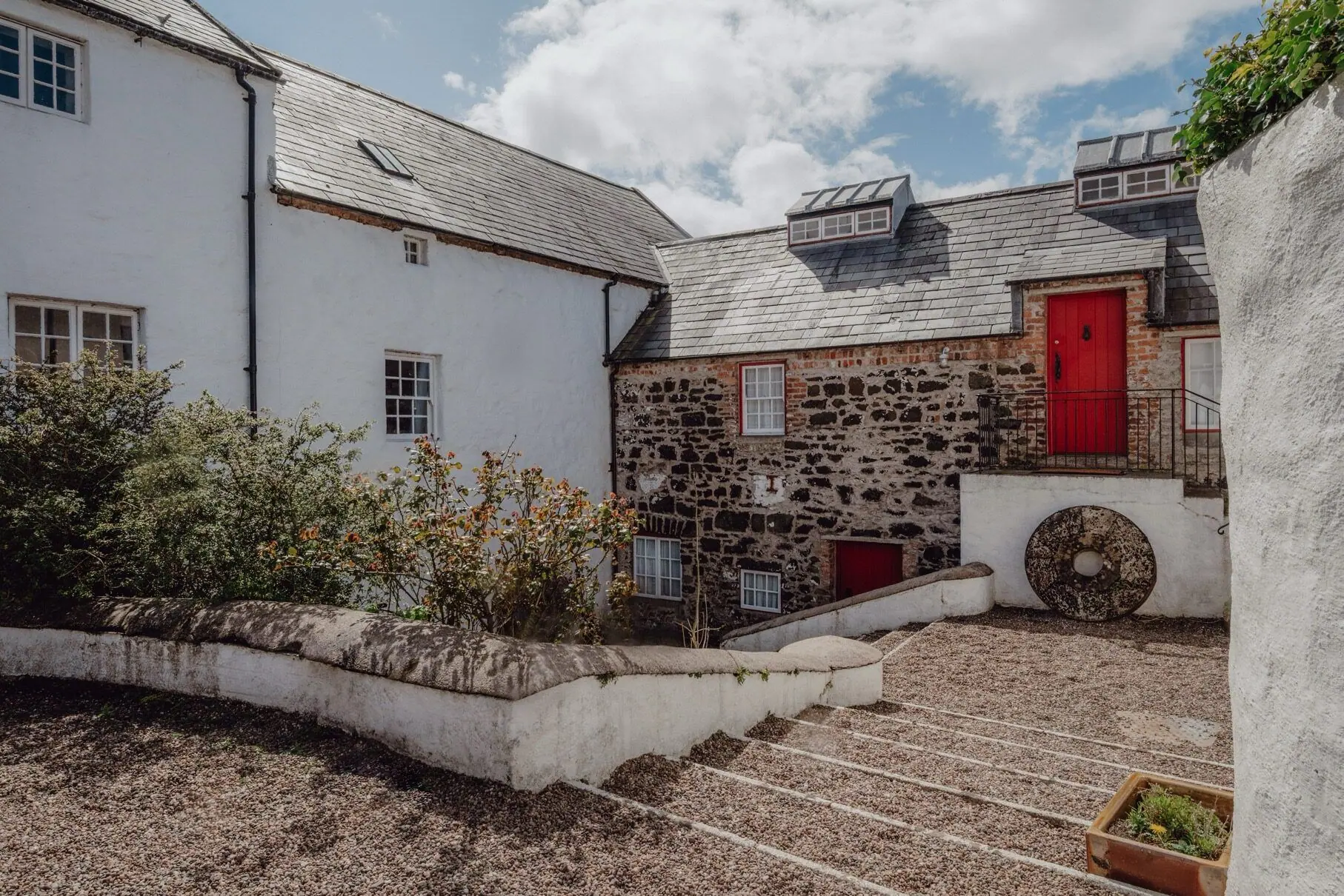
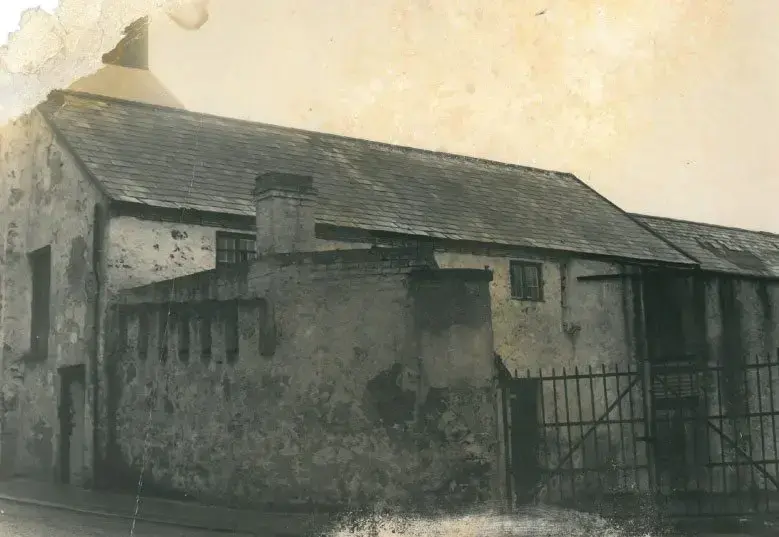
Palmer’s Corn Mill looked like a hopeless case when Sam Huey and his American wife, Jan, first saw it in 1986. Gaping holes in the roof, crumbling walls and nesting birds would have deterred most, but Sam Huey had a soft spot for the area – his father was born in the nearby village of Dervock - and he was prepared to rise to the challenge of transforming the mill into a home. He was also prepared to devote the considerable amount of time and money he knew the project would require.
Built in the 1830s, the corn mill was listed in 1977 by Historic Monument and Buildings (HMB) of the Environment Service in Northern Ireland, because of the Bush River’s significance in the evolution of power wheels and because it formed an integral part of the village. The mill’s status as a B1 listed building meant that Sam Huey could benefit from advice from the HMB architects as well as some grant aid.
In return, Sam proved just how successfully a building such as this can be re-used as a home and that, even in a mill, it is possible to strike a happy balance between conversion and restoration.
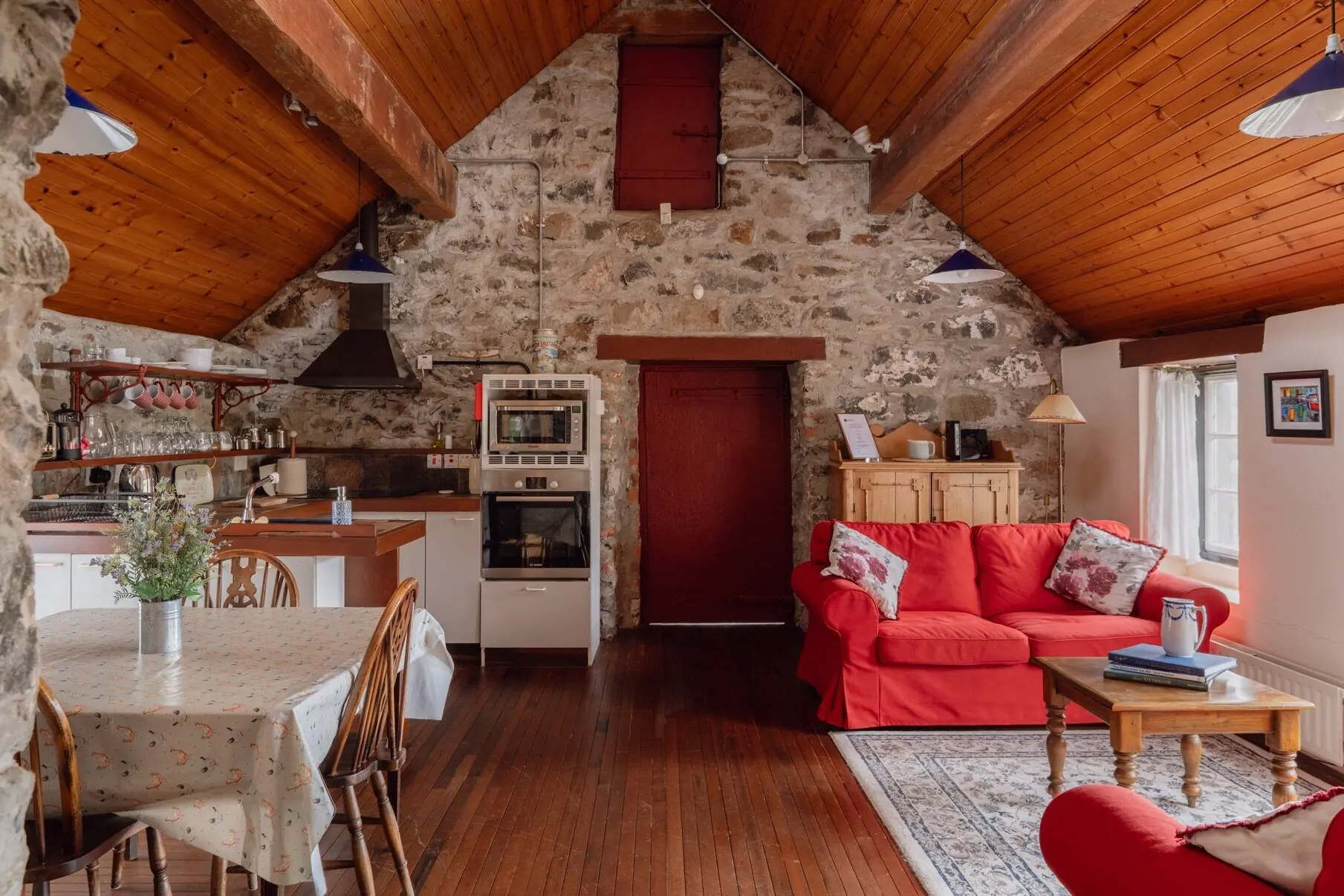
The fact that so many of the original elements – including the machine components – have been retained, is central to this success. The cogs and wheels are still at the core of the building, and glimpses of its former life have been left exposed in nooks and crannies all over the house.
That Sam Huey personally supervised the transformation of the 740 sq. metre building is clear in the attention to detail. As a retired engineer, he says that the project has given him an enormous respect for the engineers and builders of the past.
Original door heights have been maintained, even though Sam Huey is a tall man and has had to resort to pinning ribbons to the door frames to remind himself and others to duck.
Having spent many years living in California, Sam Huey was at first surprised by the draw Northern Ireland (from which he had emigrated many many years ago) had for him when he retired. His love of the local heritage is clear in his choice of vernacular furniture and ornaments - farm implements, framed 19th century documents about salmon fishing (for which the Bush is famous), Old Bushmills bottles from yesteryear and black and white postcards of the long established tourist attractions in the area.
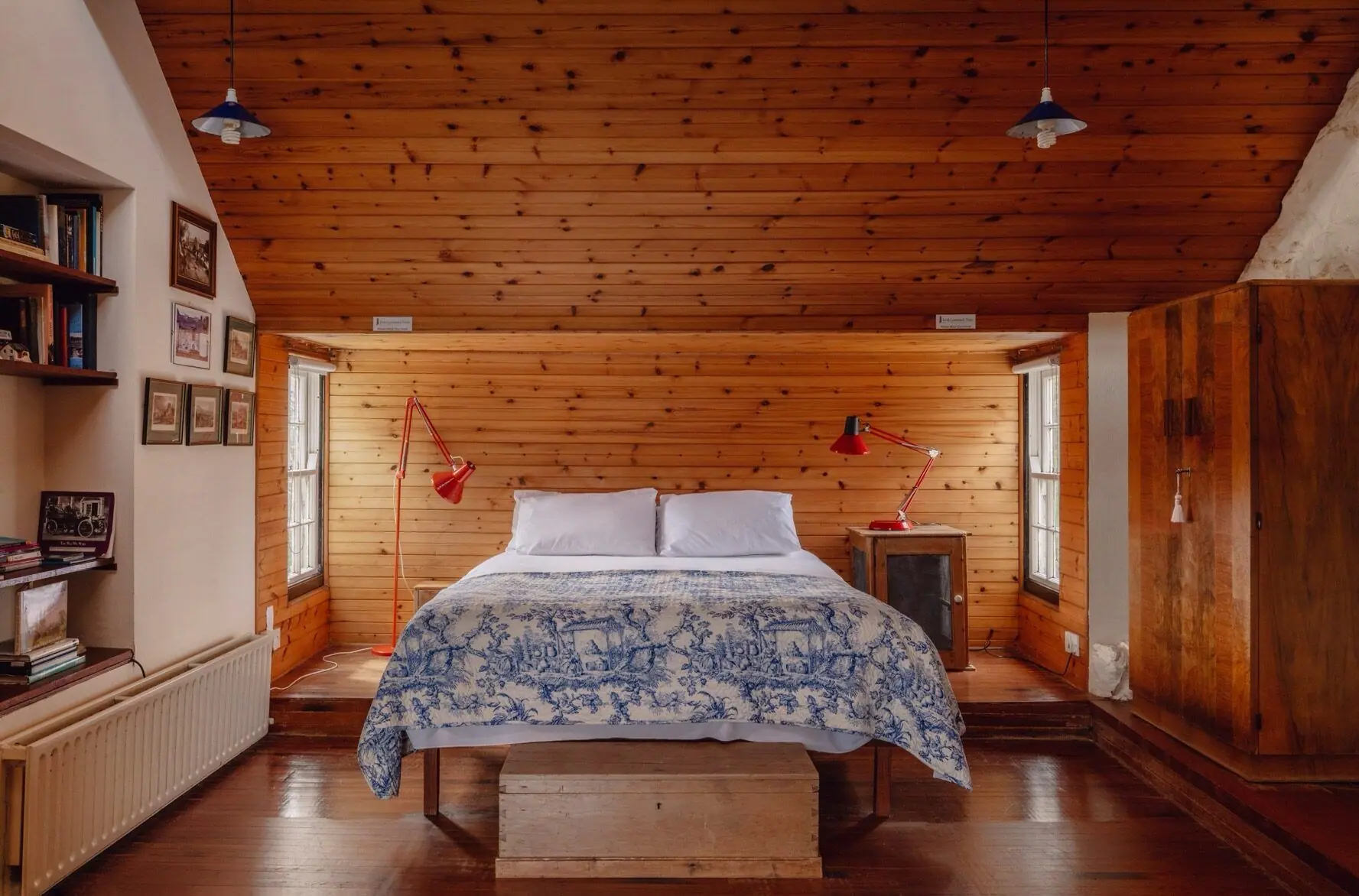
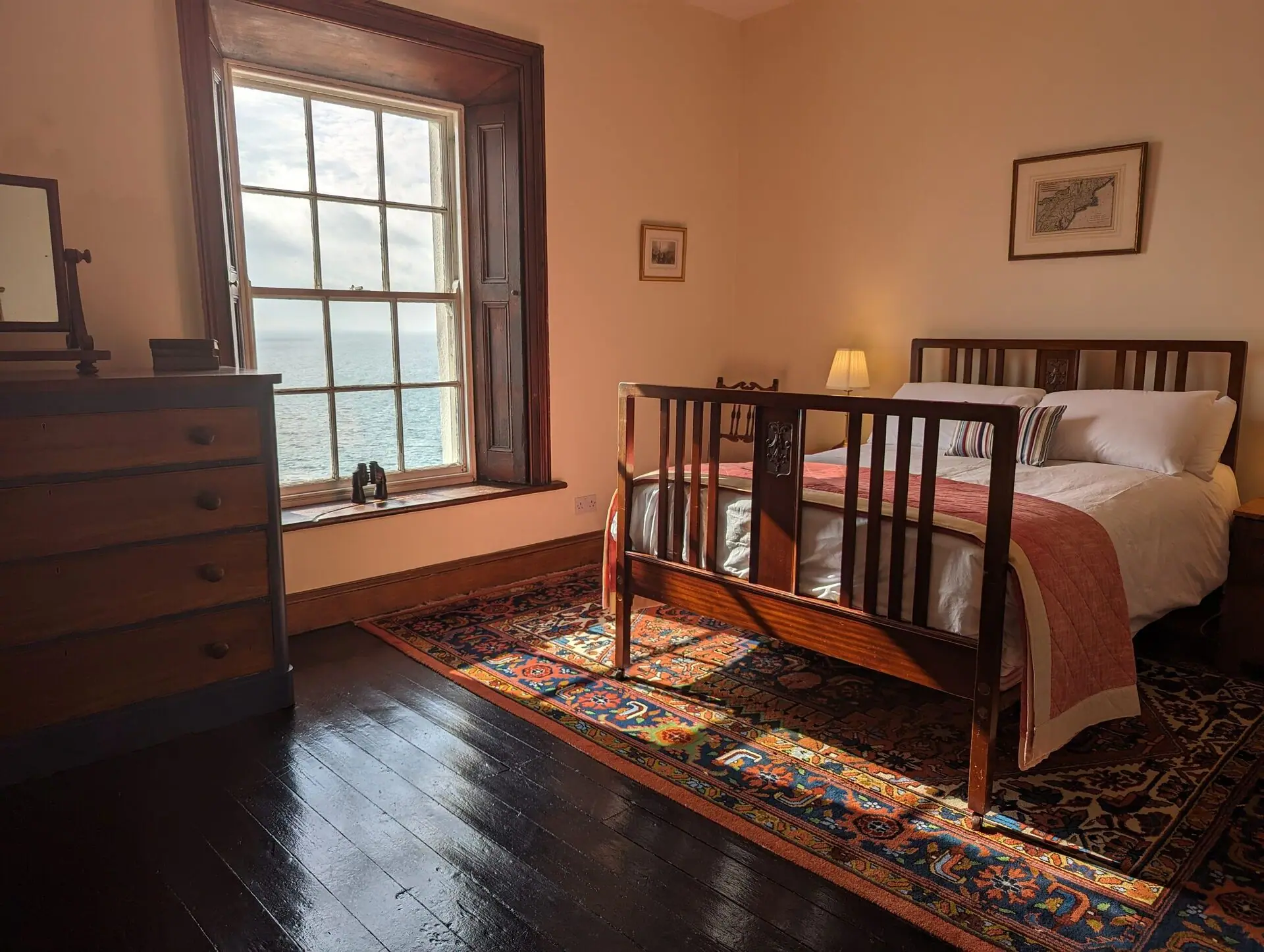
In the basement bedroom one of the original bench seats from the Giant’s Causeway tramline, opened in 1887, sits against the cogs and wheels of the mill. Sam Huey has happy memories of travelling on the tram as a child.
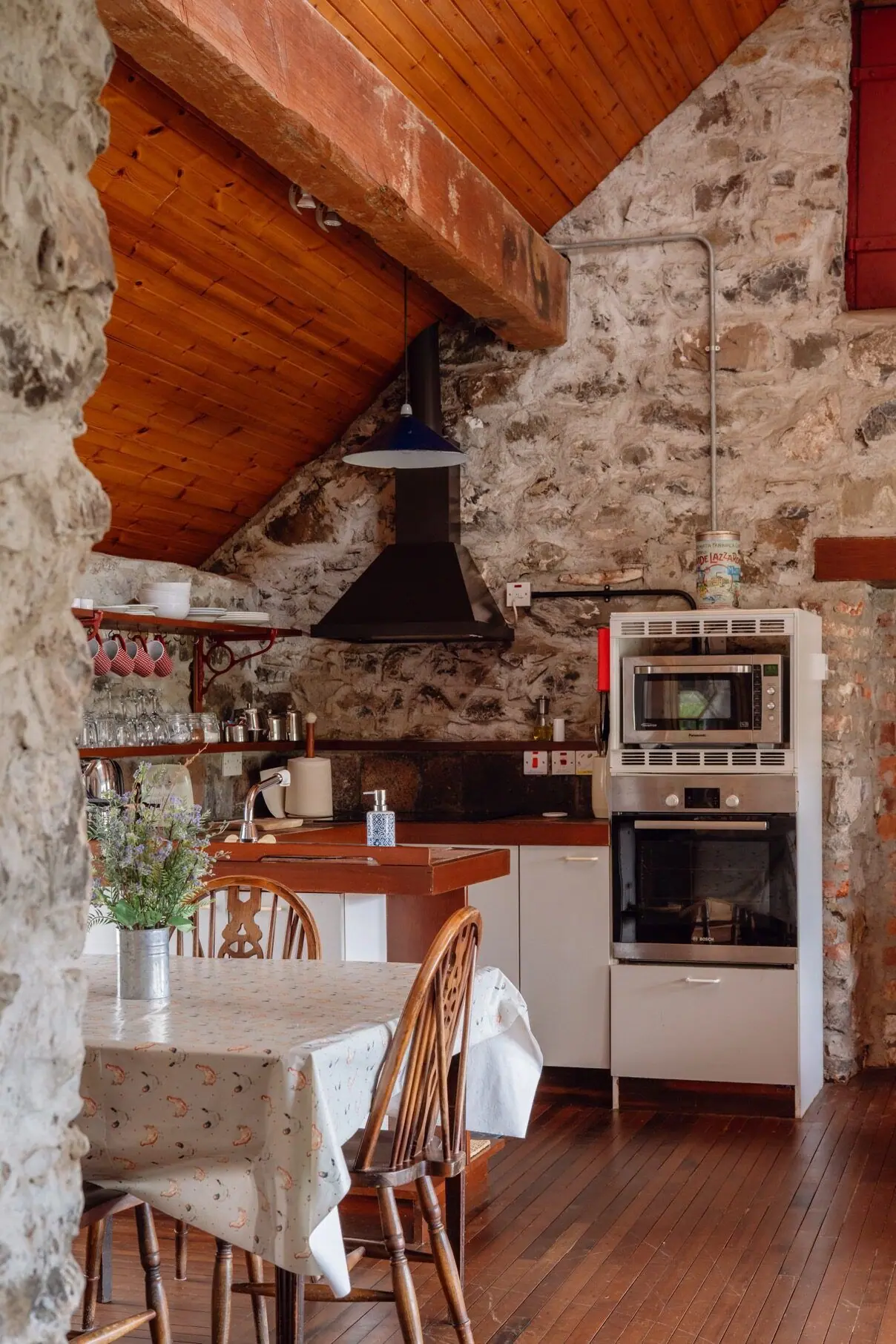
The results of his passion for recycling are everywhere: the tiles in the kitchen were made in Scotland over a century ago and rescued from a house in Portrush; the timber flooring and the huge beams which support the roof were salvaged from quay side warehouses in Derry; you can still see the marks where oysters once clung to the posts which were sunk into the Foyle; and the simple blue lamp shades throughout the house were plucked from a skip.
The overall effect is one of a warm home, full of character and integrity.
(Christopher Hill – article in ‘Select Furniture & Interiors of Ireland’ 1995)