The Drum Gatelodge, Co. Antrim
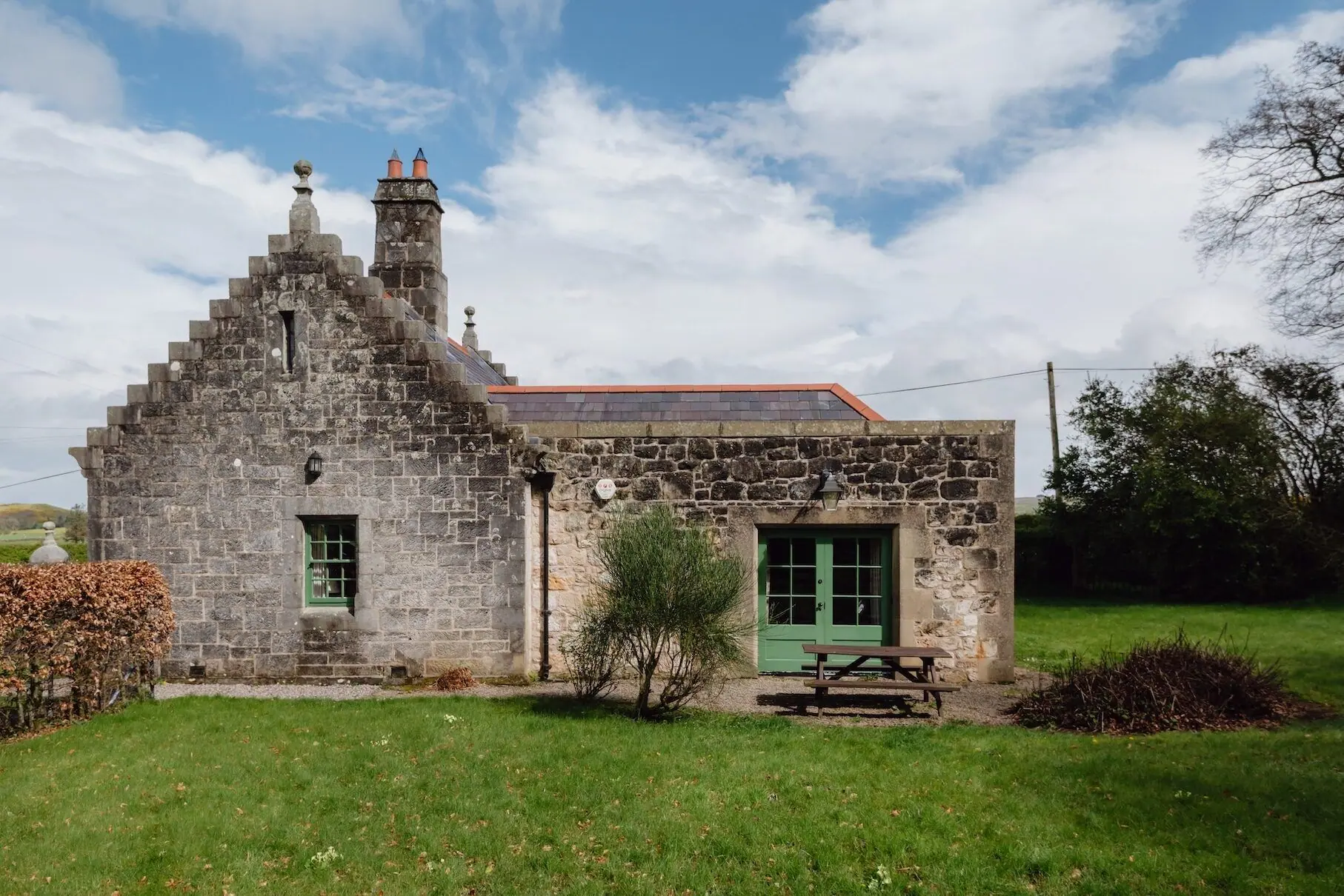
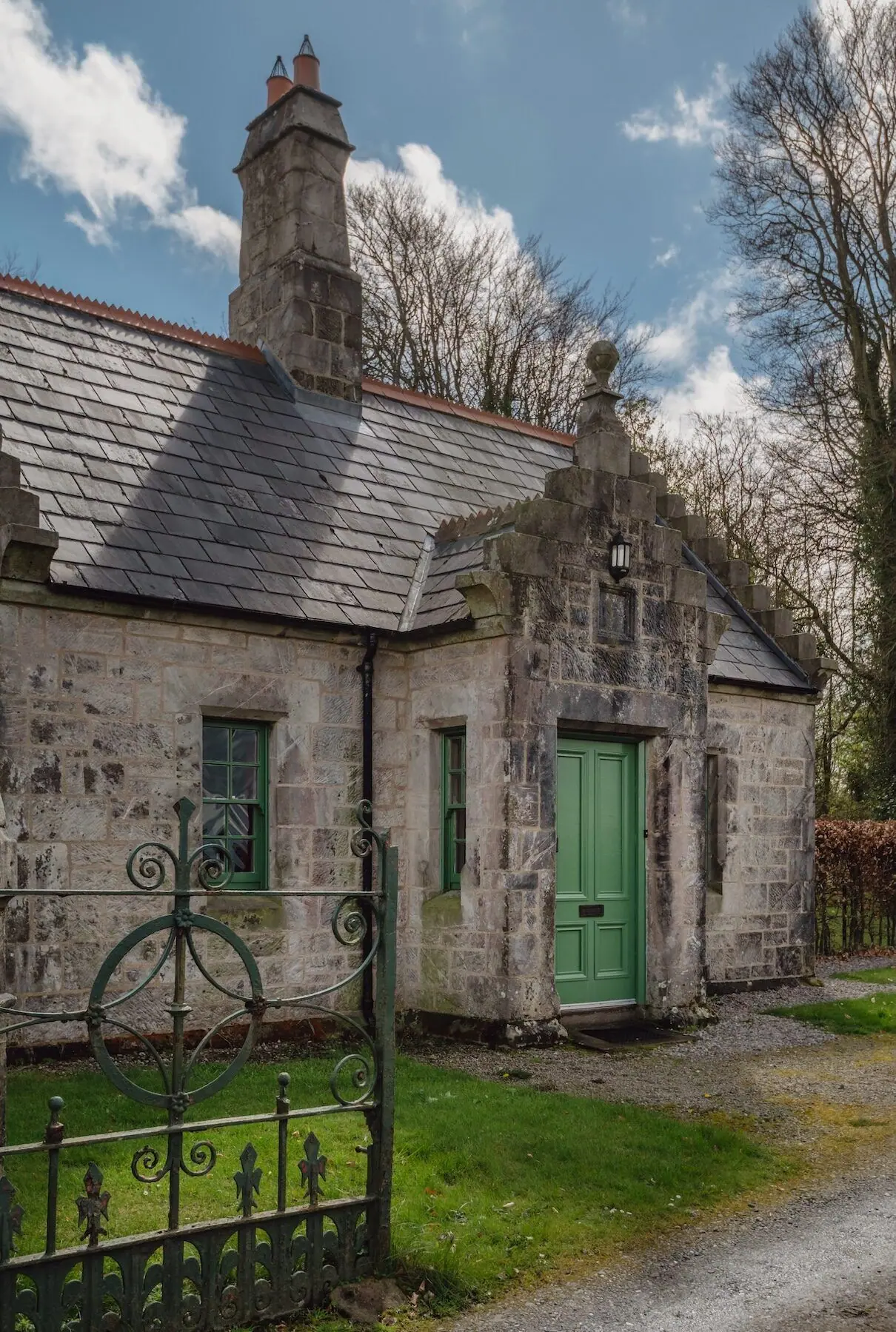
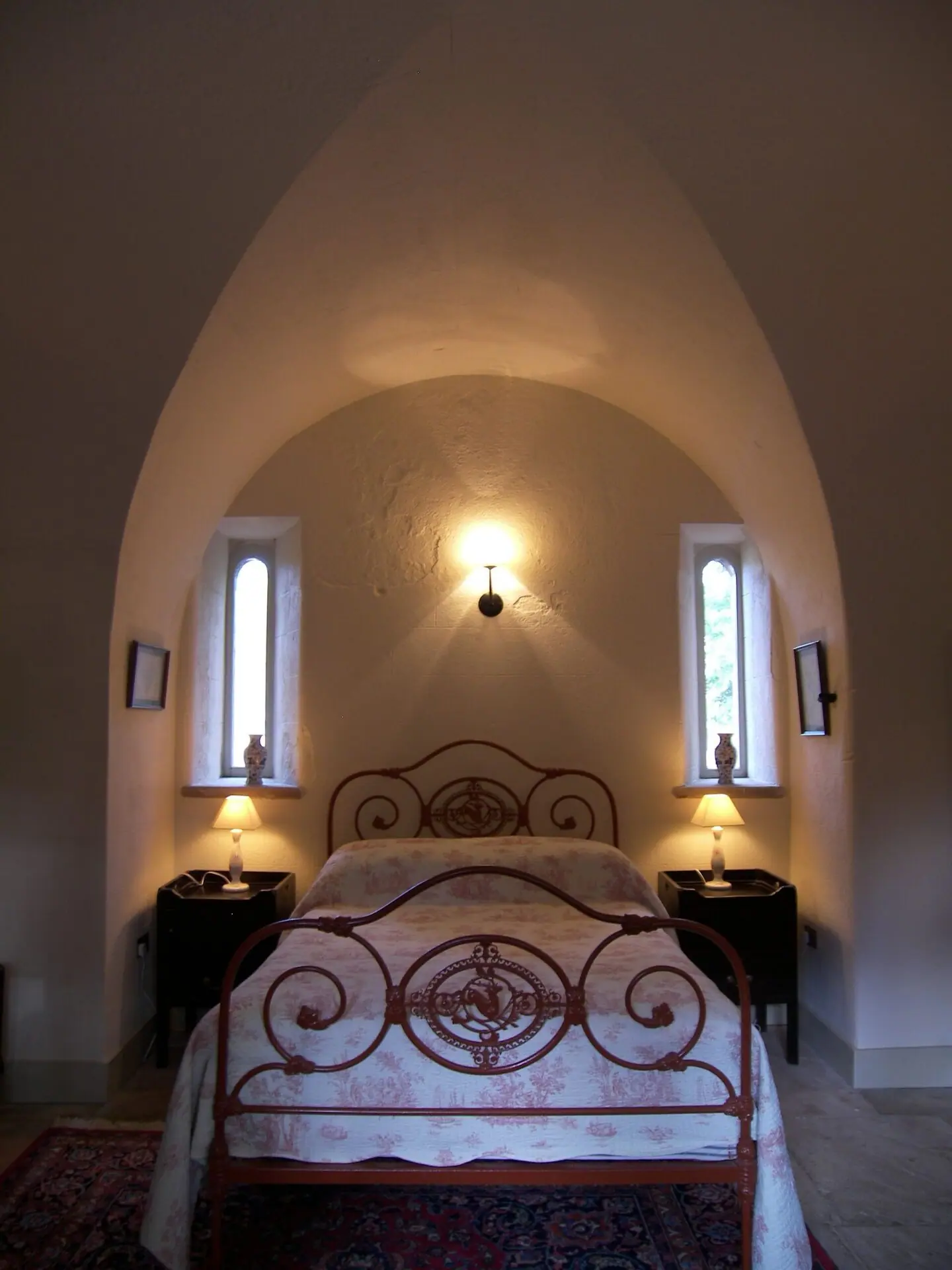
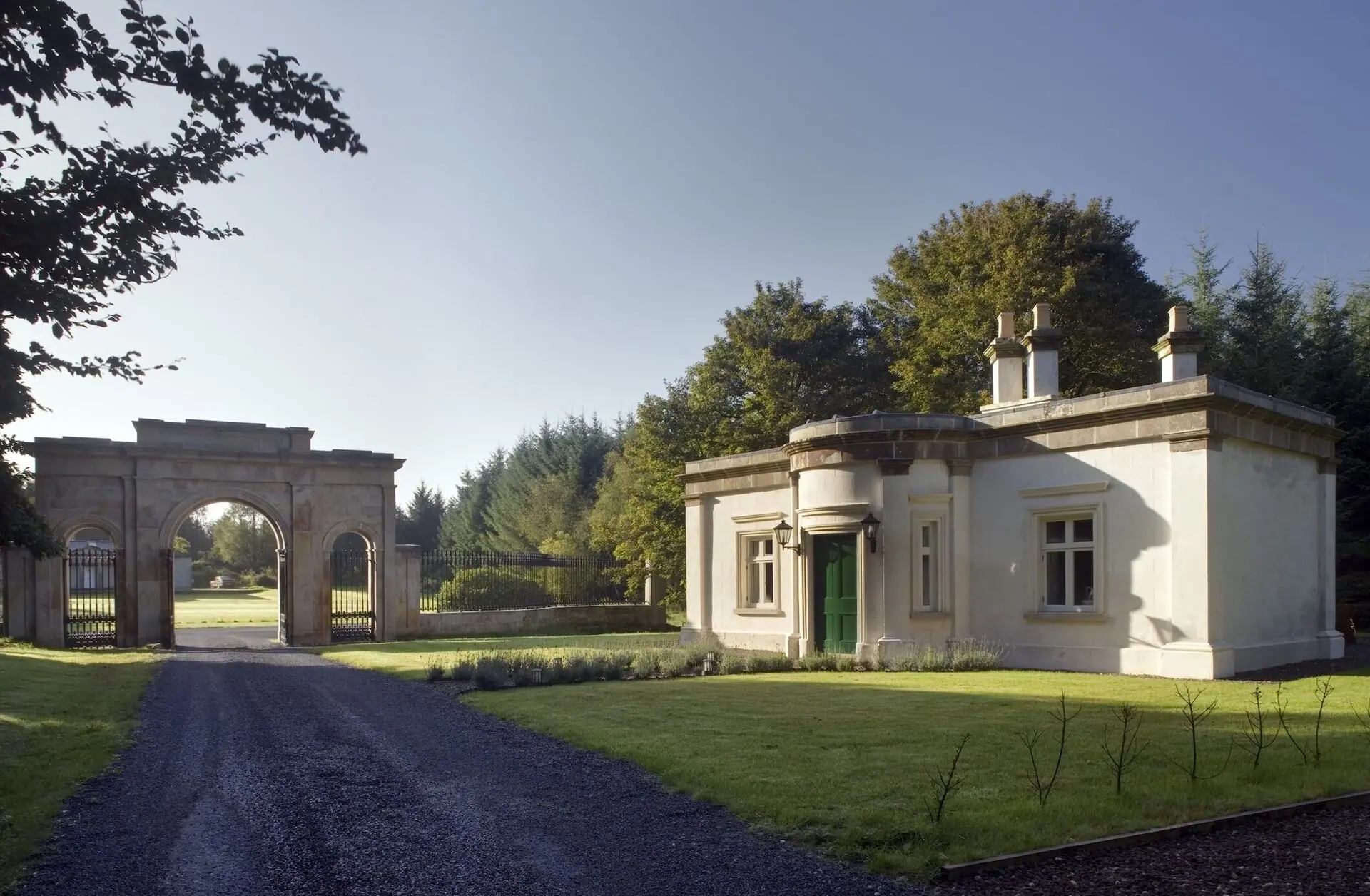
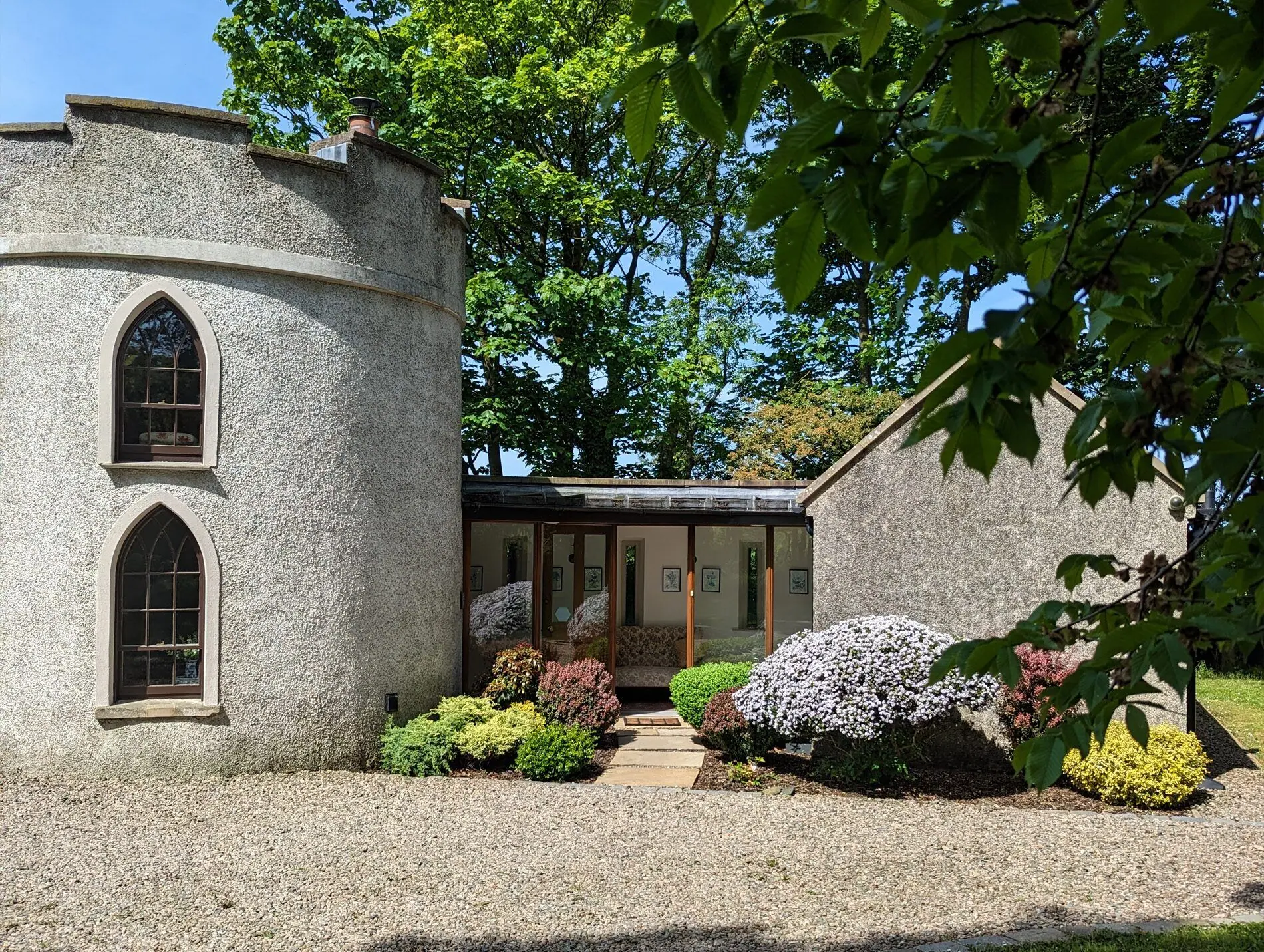
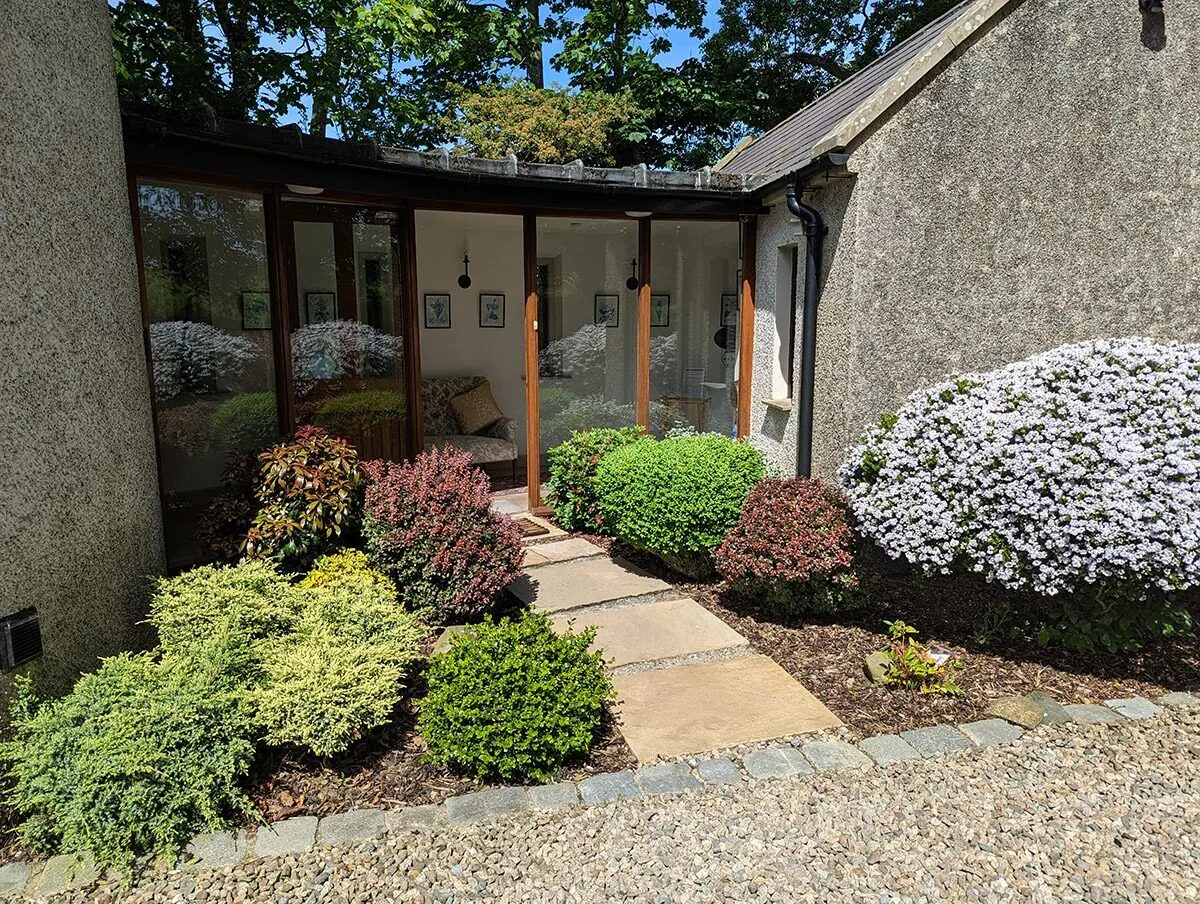
The Drum Gatelodge is a unique and pretty two-storey Gatelodge. It was built at the end of a long avenue of beech trees at the western edge of the Ballylough Estate in 1800. It is situated on a quiet country road - and its rustic setting makes it an ideal romantic retreat from the stresses of everyday life. The property has underfloor heating with gas-fired central heating. Located just outside Bushmills, it is an ideal base from which to explore the North Antrim Coast.
Images credit: ASF Photography.
Drum Gatelodge
GatelodgeCo. AntrimSleeps 21 bedroom1 bathroomfrom £346 / 2 nights2 dogs welcome
About
We think you’ll love
- The peace and tranquillity of this Countryside location.
- Spotting hares, rabbits and other wildlife just outside your door.
- Visiting nearby Giants Causeway and all of the attractions of the beautiful North Antrim Coast.
Facilities
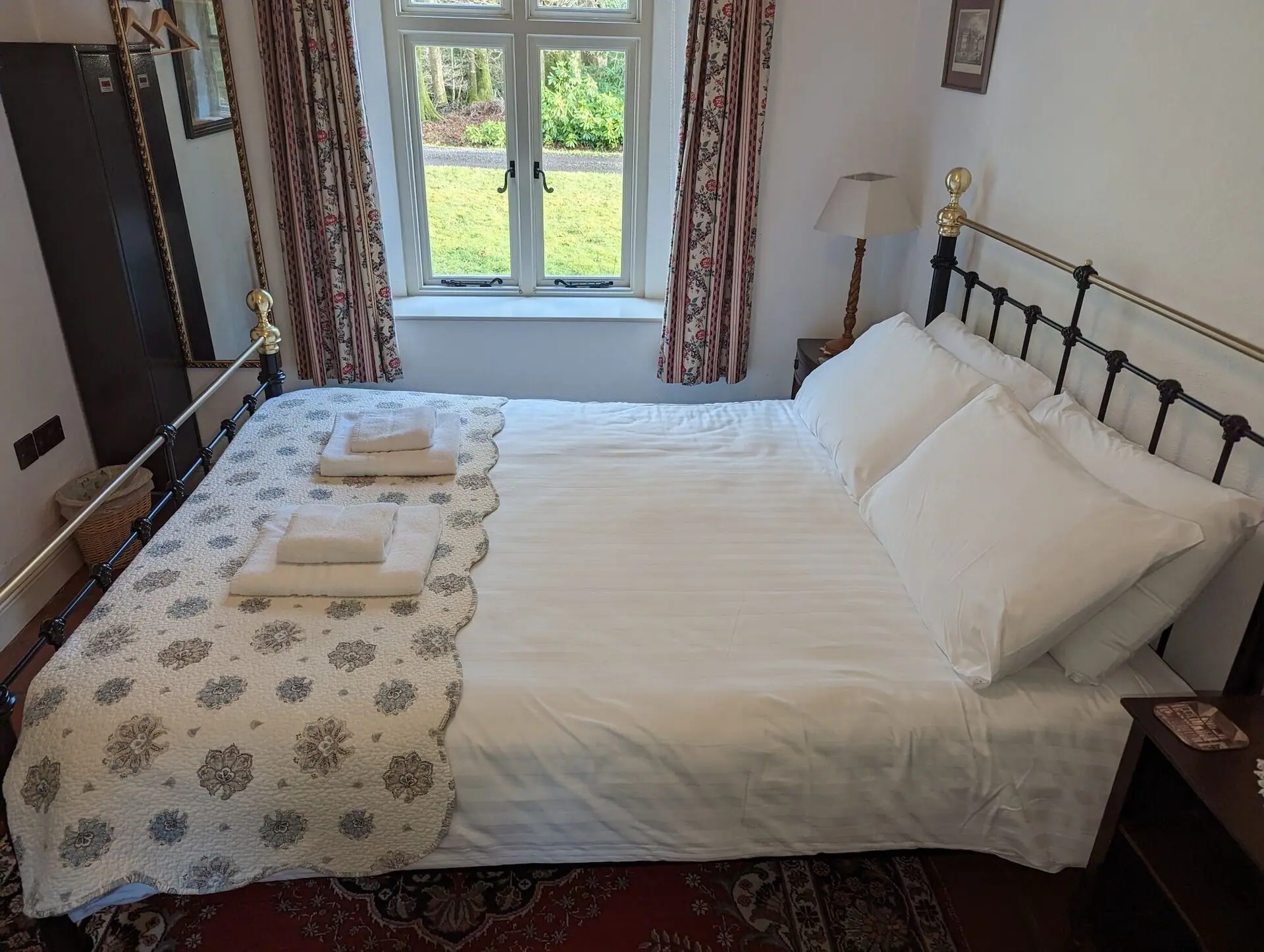
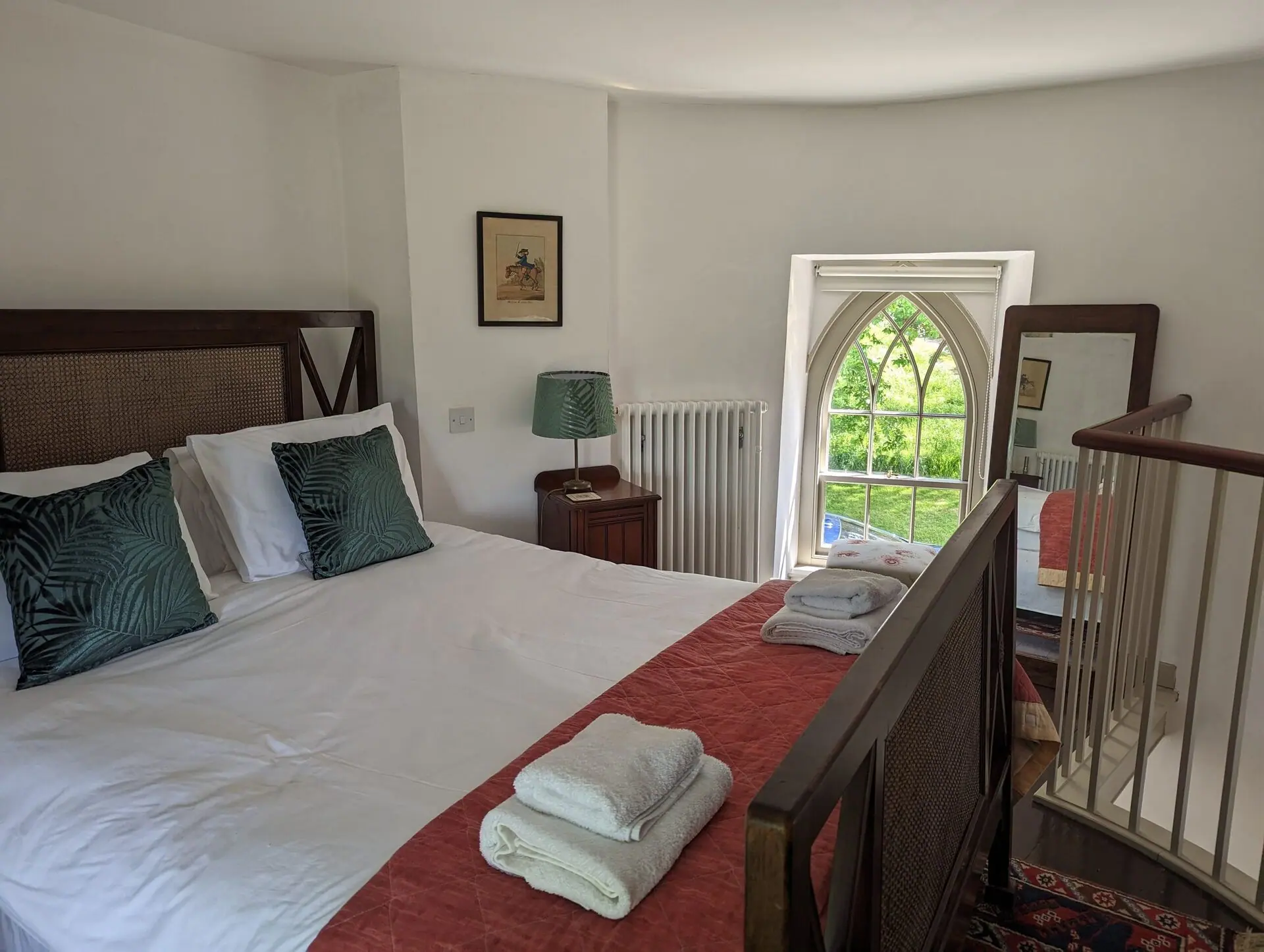
✓1 Double Bedroom
✓Gas-Fired Central Heating
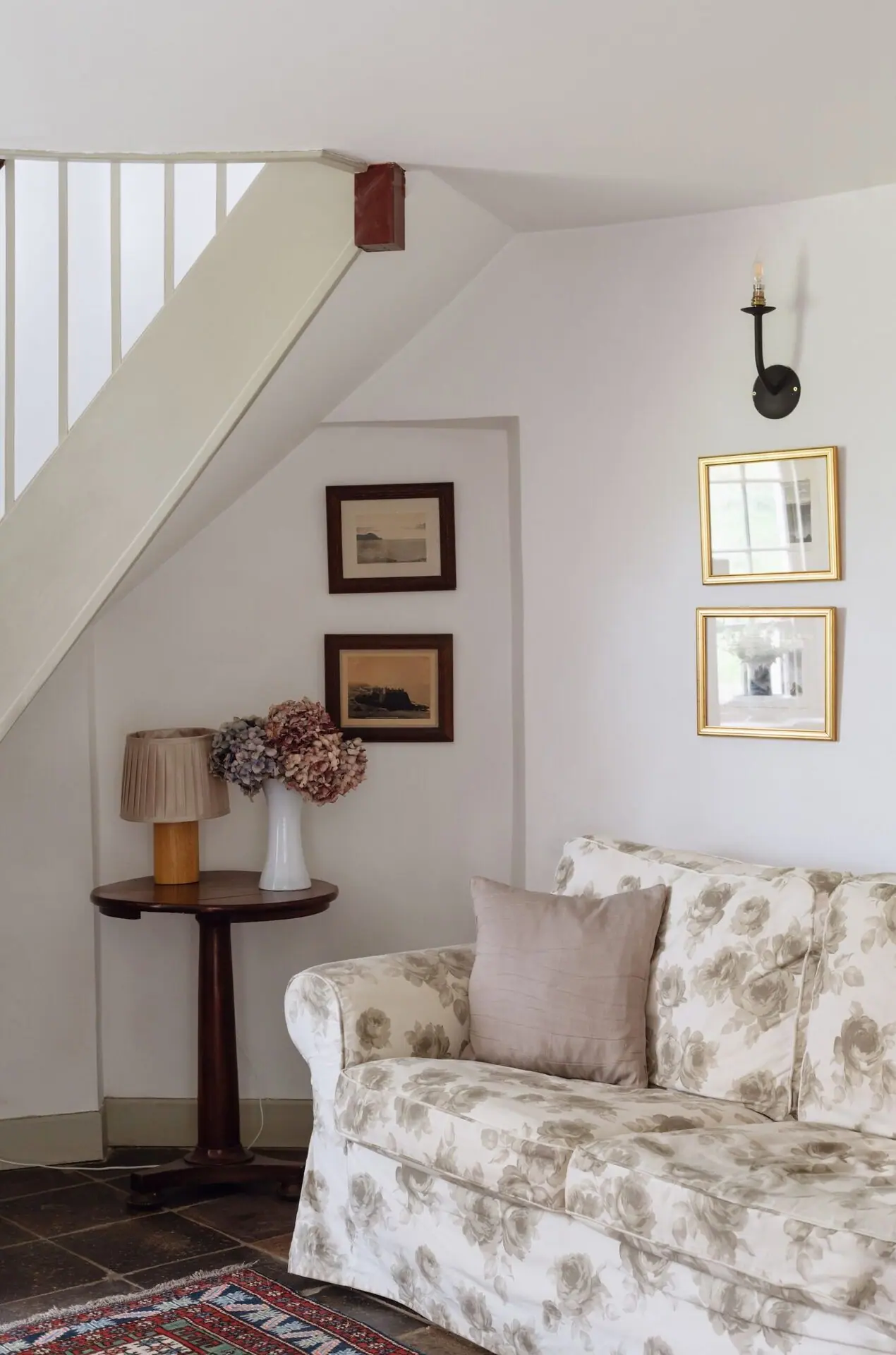
✓Wood-Burning Stove in Sitting Room
✓Underfloor Heating
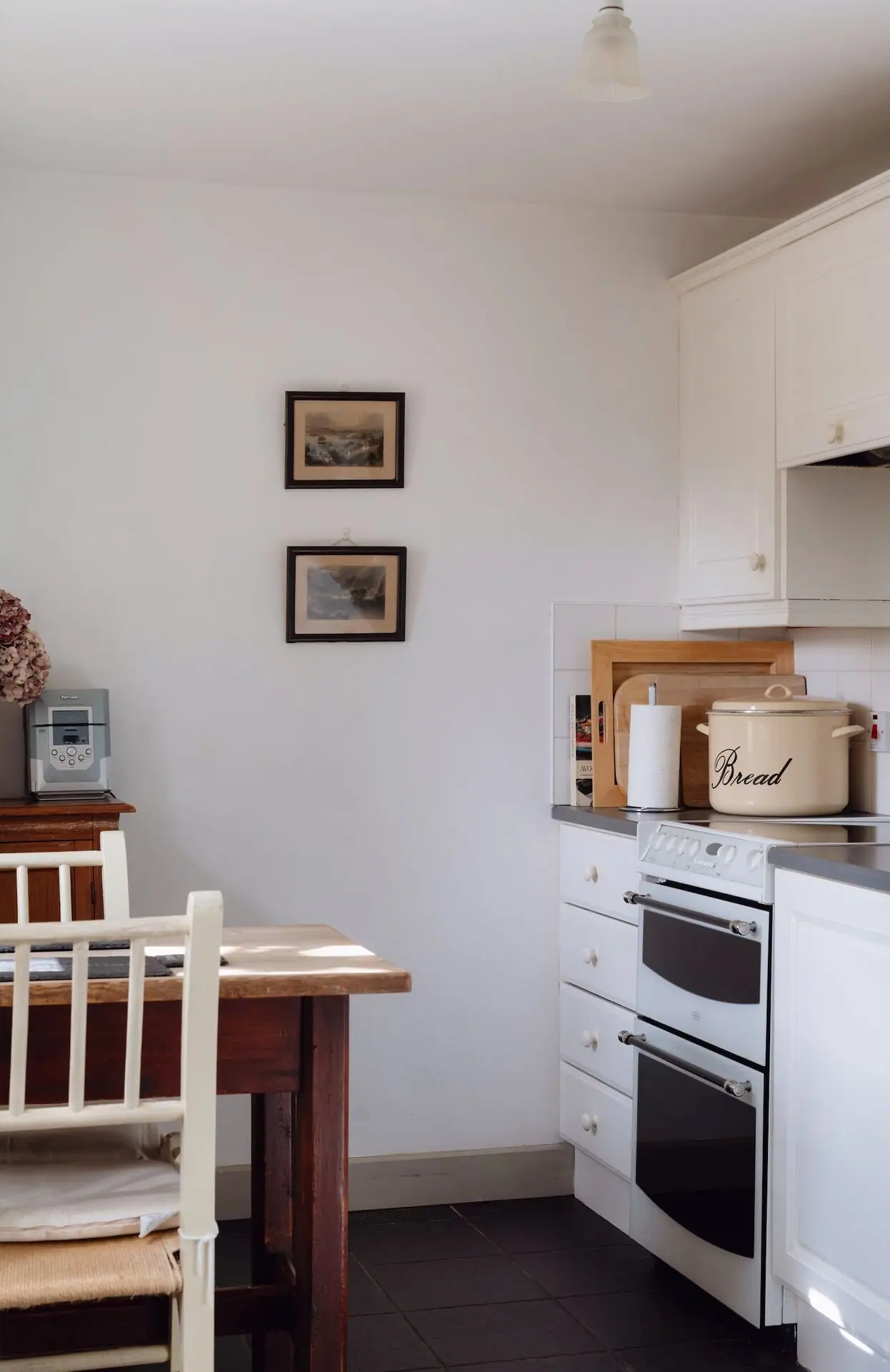
✓Electric Oven
✓Microwave
✓Fridge/Freezer
✓Towels and Linens Provided
✓Iron & Ironing Board
✓Travel cot/crib for infants under 2 on request. (Please bring your own bed linens for infants).
✓Cooking Utensils and Equipment
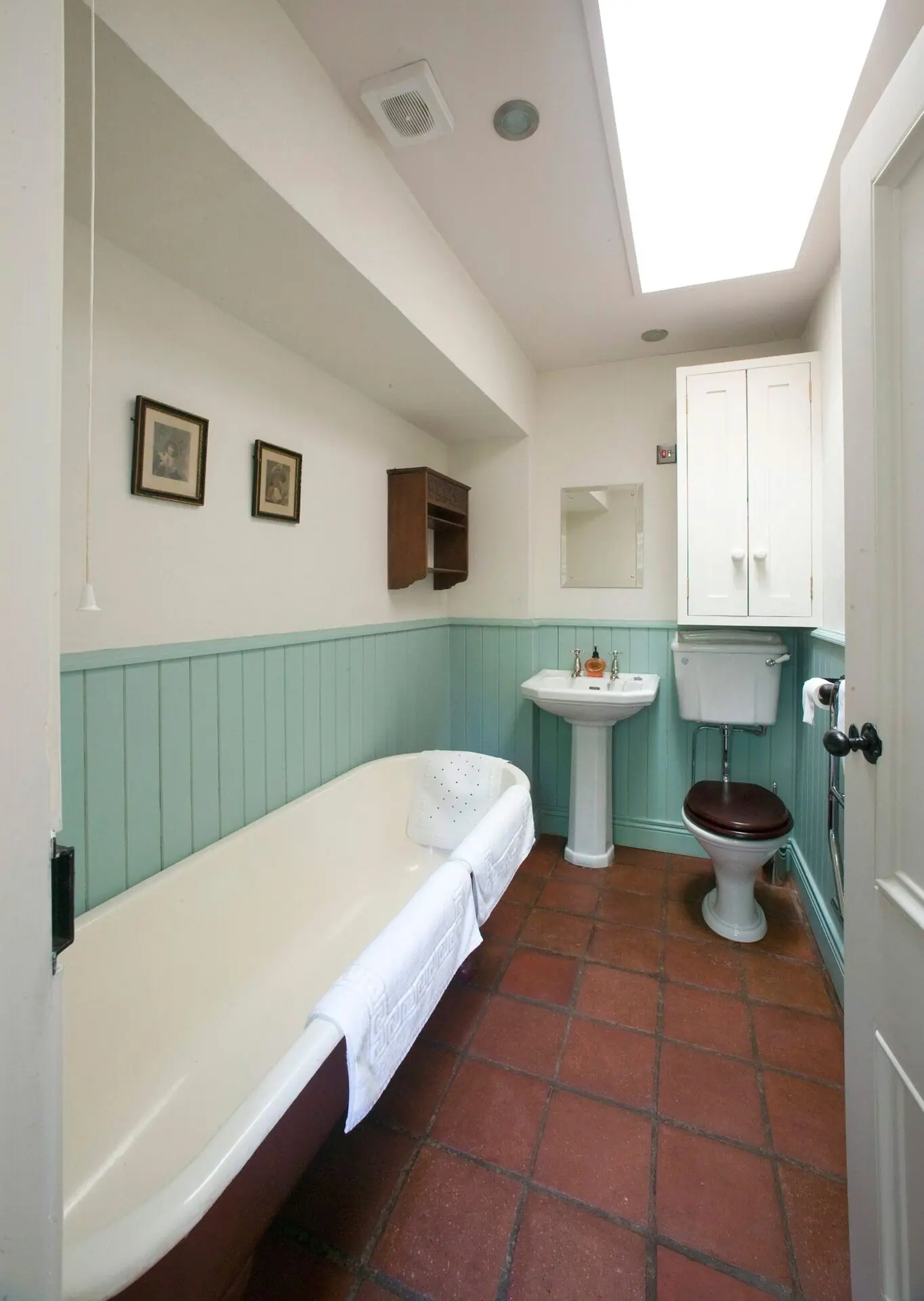
✓1 Bathroom with Bath Tub
✓Sitting Room
✓Garden and Patio area
✓Countryside setting
✓Radio/CD Player
✓Car Parking
Itinerary
Things to do in County Antrim
A fantastic example of the things to do – Seven Days On The Antrim Coast.
Reviews
Great Escape to the Countryside
Spent Easter weekend of 2022 in this gem of a house. It was a real treat and a great place to get away from wi-fi/ TV and other distractions in life. The house was spotless, cozy, warm, and ticked all other boxes. The turf burning stove got lit every night, more for effect that heat. I would suggest it to any one. It is located about 1.5K from the main road to Bushmills village and another 2 K to the Bushmills village. It is located on a quiet county back road that runs through beautiful fields with some local cows in the distance. Meet with Brenda at one point when she kindly dropped by and it was a pleasure to meet her. The kitchen has everything one needs including a French press for your morning coffee. Kitchen is snug but perfect for 2 people. The bed is a five foot wide bed and very comfortable. FYI: Mobile phone coverage is adequate for phone calls but not much else for those who don't want to disconnect from technology.
A short break in the Drum
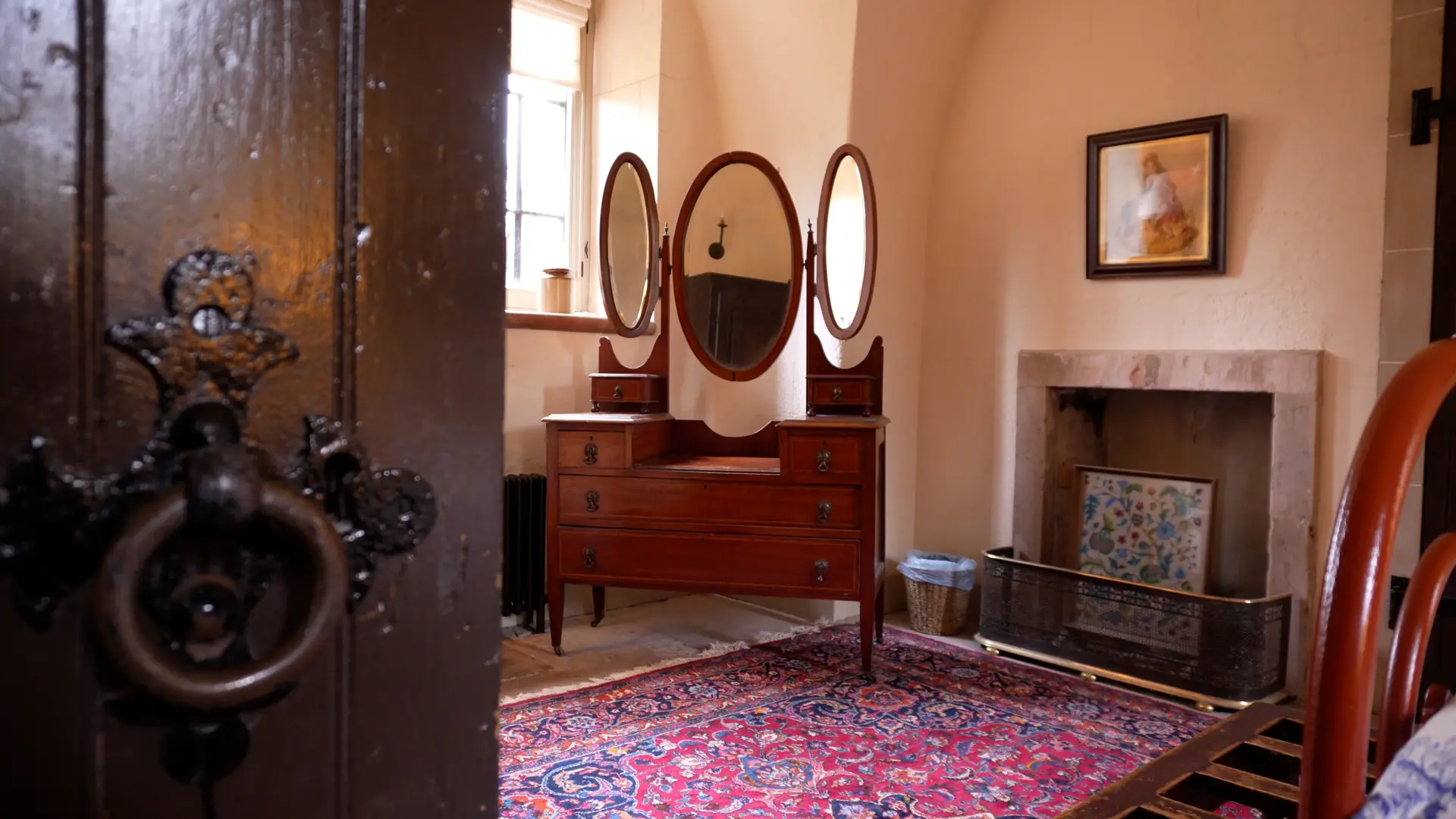
Quirky, comfortable and cosy. This is a property which has been imaginatively extended and furnished, but has lost none of its original charm and character.The Drum part of the accommodation is furnished with some lovely period pieces and the peat burner adds to the atmosphere. It's located on a very quiet road within easy striking distance of many of the Antrim coast attractions. All in all, ideally suited for two people.
Property FAQs
Our buildings were made to the standards of earlier times – and sometimes without the intention that they should be lived in. Consequently, you may encounter features that reflect their particular character but that deserve due care and attention, particularly by the young, elderly, less mobile or visually impaired. Examples of these are steps worn with age, uneven surfaces, low ceilings and beams, unexpected drops or changes in level, and by modern standards low or absent lighting. In all cases we have sought to make a sensible compromise between due regard for safety and the careful retention of the fabric of each building, which makes it an interesting place to stay. We ask you to appreciate and use the building with this understanding. If you have any queries about the property you are interested in and would like more clarification please contact Irish Landmark at bookings@irishlandmark.com.
Unless otherwise agreed with the House Manager the earliest time at which you can check in is 4.00pm Guests may NOT take over the property any time later than 9.00pm. Guests are requested to vacate the property by 10.00am at the latest on the day of departure.
No, but there is a radio, board games, cards and plenty of books.
No, at our properties you have an opportunity to experience the best of a former way of life: beautiful architecture, fascinating history and a peaceful relaxed ambiance, without modern electronic distractions, where you decide the pace of your holiday.
Yes this property accepts up to 2 dogs. Please read the policy carefully and supervise your pets at all times.
Yes. The beds will be made up on your arrival and you will be provided with a bath towel and guest towel according to the number of beds in the property.
There is a stove in the sitting room. We supply enough fuel for your first night only. Please contact the local House Manager for more information on what type of fuel is used at your chosen property
It would be preferable to have a car as otherwise it will be difficult to get to shops, etc.
When you complete your booking, you will receive an email giving you information about arranging access on your arrival date.
Only by special arrangement with the bookings office and agreement of the local House Manager. A charge is made if you are requesting a morning arrival, as this means we cannot take a booking for the night before your arrival date.
10.00am. The House Manager will discuss arrangements for your departure on the day you arrive.
About 5 mins drive back to Bushmills.
Each of our properties contains a Green Book catered to that specific property. In this book, we have compiled all of the necessary information important local amenities such as medical centres and taxi services, including locations and phone numbers. You will also find tips for recommended restaurants, bars, and things to see and do for all ages.
We do not know of anyone who can go in to cook meals at this property.
This is a small property that only sleeps 2 people. However a travel cot can be provided on request for babies.
This property is not suitable for anyone with mobility issues. The bedroom is reached by a narrow winding staircase.
No.
No.
Yes. You would get a train or bus to Coleraine and a local bus to Bushmills. A taxi could take you onwards from there to the gatelodge. However, you would need a car to get to local shops, etc.
Coleraine.
Irish Landmark Trust have a 2 night stay minimum at all of our properties. Some Special Dates will have restrictions on arrival and departure date which will affect the minimum number of nights.
Yes. There is a lawned area. There is currently no outdoor furniture.
Yes there is parking for 1 car.
We supply teabags, coffee granules, sugar, salt & pepper, cooking oil, tin foil & kitchen roll, handwash, washing up liquid, dishwashing cloths, and dishwasher tablets if there is a dishwasher.
We do not supply any other cleaning products that contain chemicals, including laundry detergents – we suggest you bring your own.
Visit www.shophara-food.com to have a look at the menus and make your selection for the date required. Order and make payment directly with Hara at Home. Your House Manager will receive your delivery and have it for you at the property on arrival. Please note this service is available for Friday arrivals only.
Please see FAQ for further details.
Before you book
At this property
Please note that Irish Landmark properties that welcome a pet may not have secure enclosures. It is vital that you supervise your dog at all times, and follow the Dog Policy carefully.
There is a fee of £30 per dog. You can add this at time of booking by selecting 'Taking a Dog', or contact us to arrange.
Read our Dog Policy
See All Dog-Friendly Properties
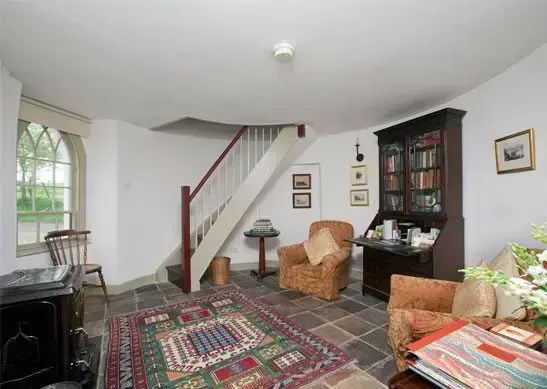
Archdeacon Traill, whose family still own the estate, built the Drum Gatelodge (also known as Ballylough West Lodge) at the end of a long avenue of beech trees at the western entrance to the Ballylough Estate in 1800. The Lodge was tiny, with two rooms linked by a stone staircase. It was a dwelling with no running water, an outside two-holer and you pumped your own water from the well on the opposite side of the avenue. It was always lived in by estate workers, but there are no records of the occupants prior to 1898 when Lizzie Taggart and her husband came to live there. Both of the Taggarts were employed on the estate, he as a farm labourer, and she as the 'hen girl' looking after the geese, ducks and hens.
Mr. Taggart died sometime between 1910-1920 leaving Lizzie with a family of two daughters, named Elizabeth and Martha, and a son called Joseph. Elizabeth married a Mr. Callaghan and went to live in nearby Castlecatt, where they had a family of four sons and a daughter. Martha moved to Cloughmills and married Mr. White, a farmer. Robbie (Robert), one of her children, was sent back to be reared by his grandmother at the lodge. He was sent to the local school at Ballylough, became a bus driver, and lived at the lodge with his grandmother until her death in 1962. Robbie then came to live in Bushmills, where he set up a small business in the Main Street, and died in his 70s.
Lizzie's son, Joseph, joined the Army at the outbreak of the First World War served in France, and married on his return. He was employed by local farmers and latterly worked with a local coal delivery firm. Joseph had two children, Joseph and Margaret. Joseph (junior) worked locally in Coleraine until the outbreak of the World War Two when he joined the Army. He was stationed in Scotland where he met and married a local girl. He is still living in Scotland after 63 years - he and his wife are now in their mid 80s. Margaret worked in local factories as a seamstress, married Edward Crawford and had a family of four.
Lizzie Taggart herself was quite a character, Mrs. Shanks (who lived nearby as a child) has vivid recollections of her from as far back as the 1940's:
" My childhood was spent on a farm just along the road away from Bushmills, and I remember Mrs. Taggart and Robbie, her grandson, and their quaint home. We children spent the first few years of our school life (under the beady eye of Mrs Briggs!) at the wee two teacher school at Castlecatt. We had permission to take a short cut through the estate, and as we always walked to school, this saved some time and shoe leather. We passed right by the lodge twice a day and often saw and chatted to Mrs. Taggart. We knew that her name was Lizzie, but to us children, she was always Mrs. Taggart.
We were in no hurry on that homeward journey - we'd dawdle among the trees, pick the odd wild flower or play tag around the trees near the Lodge. Mrs. Taggart might have been feeding hens or carrying in water from the well, as we passed. Although kindly, Mrs. Taggart was fairly outspoken, and voiced her opinion when the occasion demanded it. My brother James and I, being the youngest, usually walked home together, and we still laugh about the time when he left me behind among the trees while he ran off without me. I was crying, so I was escorted into the Lodge with soothing noises and some tit bit or other, and James was sent off with her opinions ringing in his ears and no goodies!"
Lizzie's tenancy was from 1898 to 1962, and reports of her housekeeping show the great changes in domestic habits throughout her married life, as well as resourcefulness in bringing up a family in such a small space
She cooked on an open peat fire with a crook and hooks and a griddle, and made soda bread and potato cakes daily.
Guests do not have access to the private estate.
Irish Landmark Trust has teamed up with Co. Down-based food company Hara at Home to offer guests the option to pre-order a premium meal delivery service at The Drum Gatelodge. Visit www.shophara-food.com to have a look and make your selection for the date required. Order and make payment directly with Hara at Home.
Please see FAQ for further details.
There is WiFi at this property, but please note that this is not a strong signal.


Your House Manager
Alan McAfee
Alan McAfee is the House Manager at the Drum Gatelodge. Alan loves to welcome guests and tell them about the best things to do in the local area.